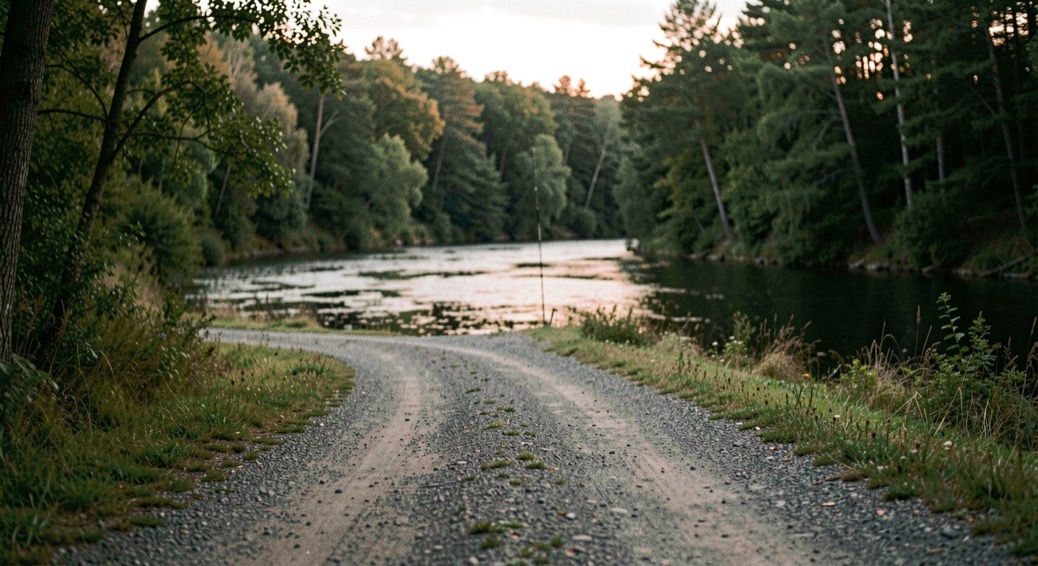
fly fishing
Fly Fishing
Fly fishing is a conversation between current and line. The gear matters, but the first useful skill is noticing what the water is already doing.
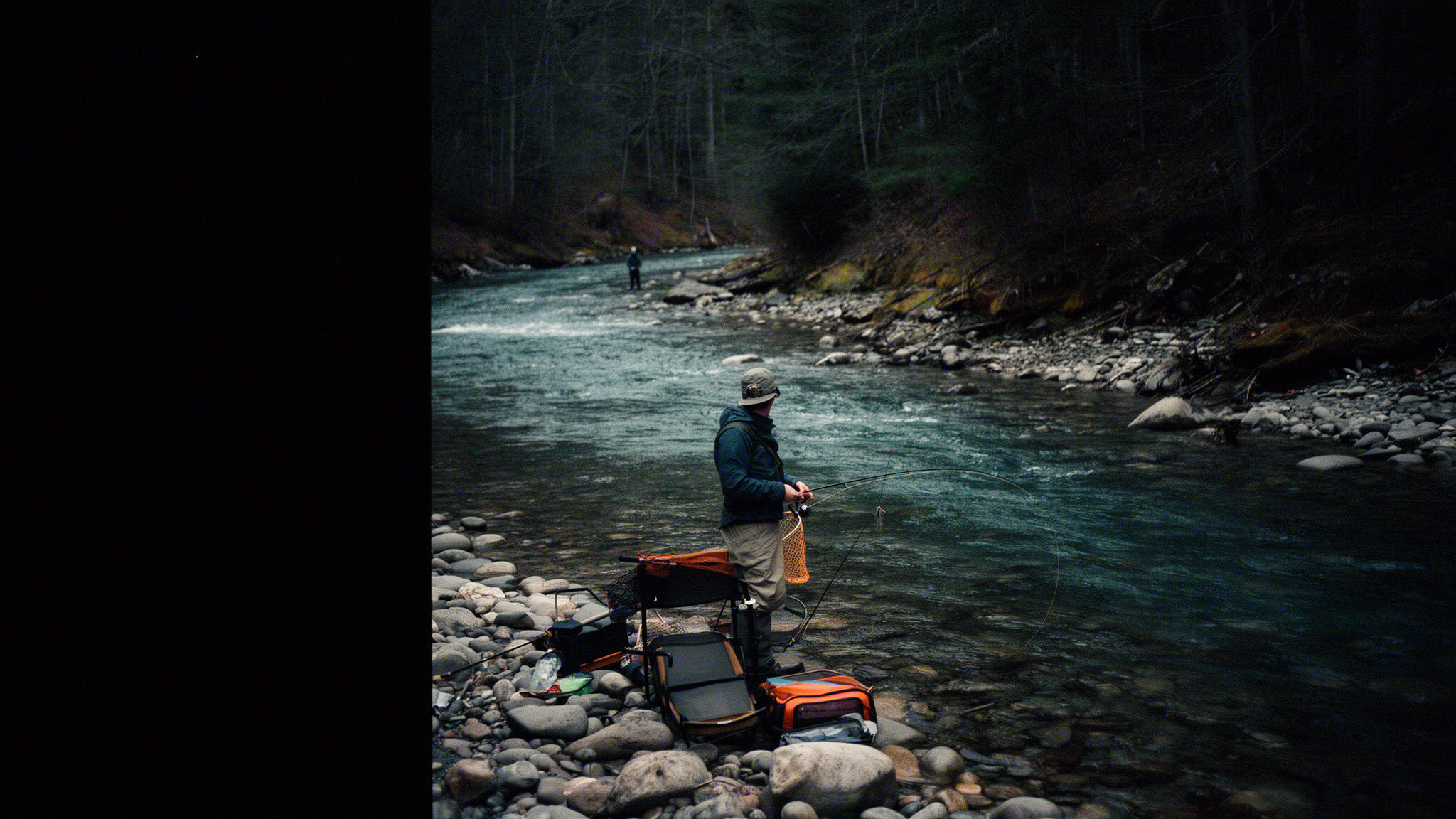
Rivers, gestures, and the small work that makes a day beside the water feel close and exact.
Read field notesStart with the water in front of you, then follow the line through casting, tying, equipment, travel, and the living edge of a river.
Fly fishing is a conversation between current and line. The gear matters, but the first useful skill is noticing what the water is already doing.
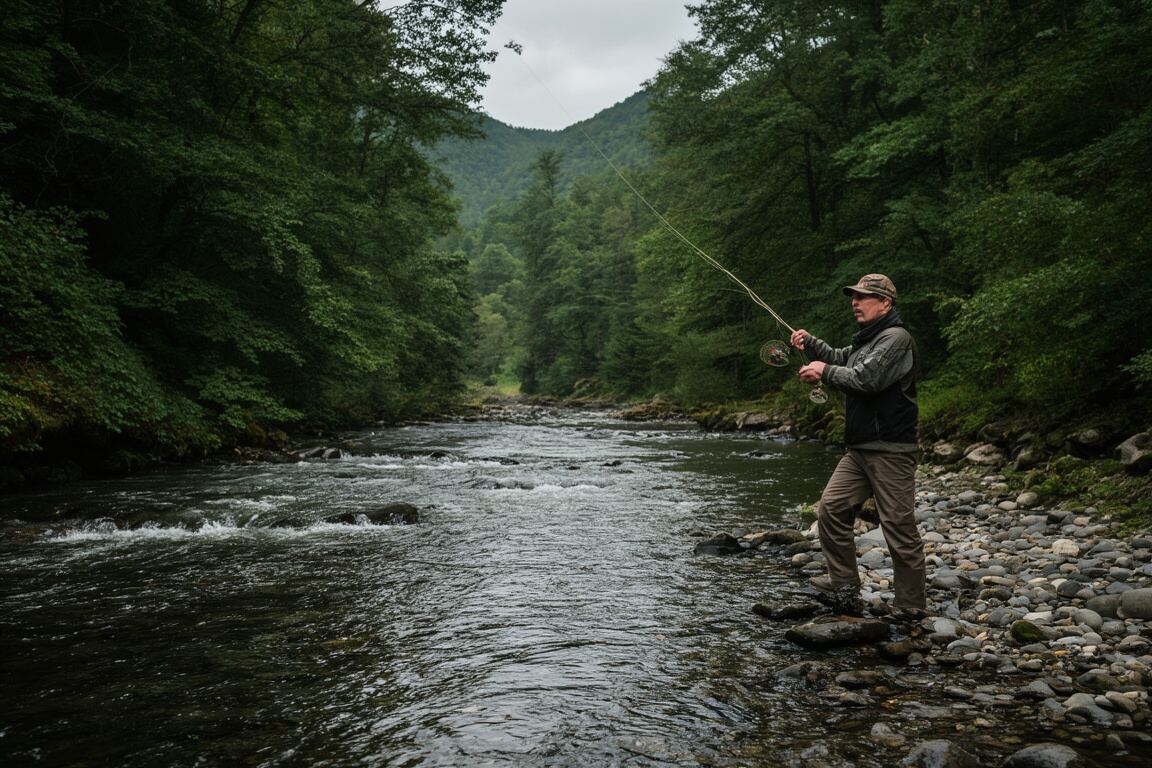
Casting gets quieter when the loop has a job. Timing, line control, and a deliberate stop can place a fly without asking the rod to do everything.
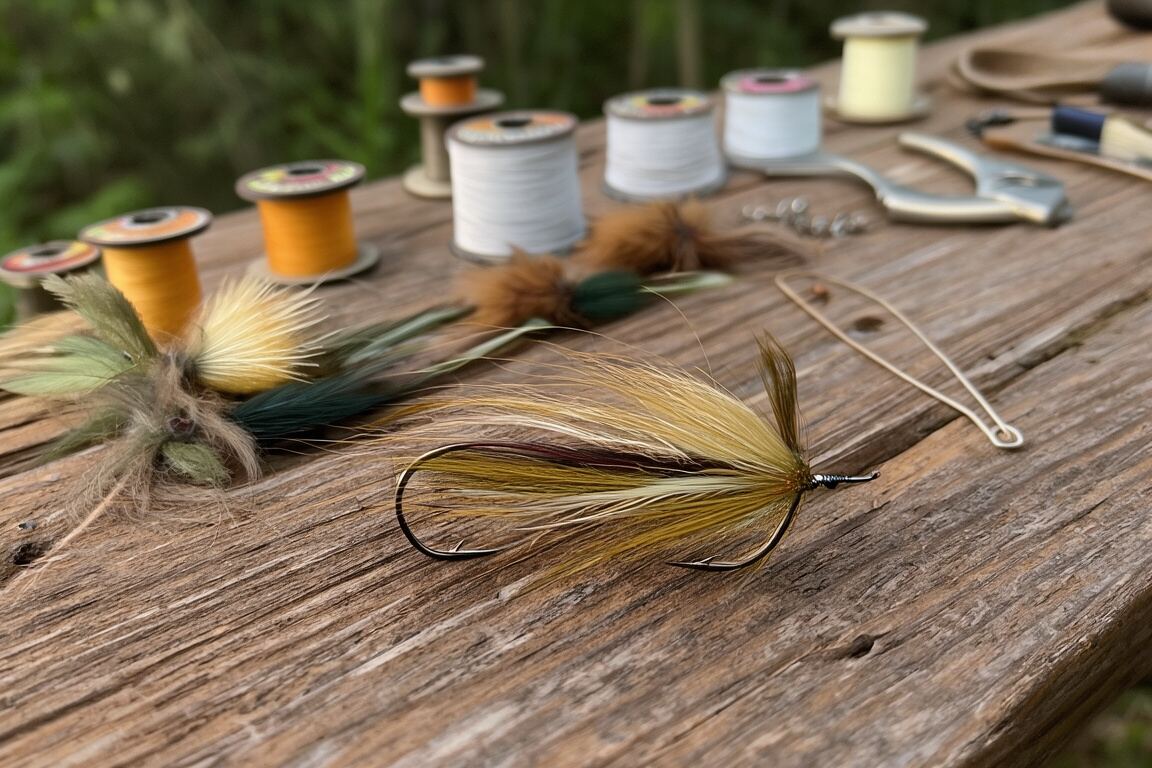
Fly tying begins with proportions that make sense in the hand. Materials should serve shape, durability, and movement rather than simply fill a recipe.
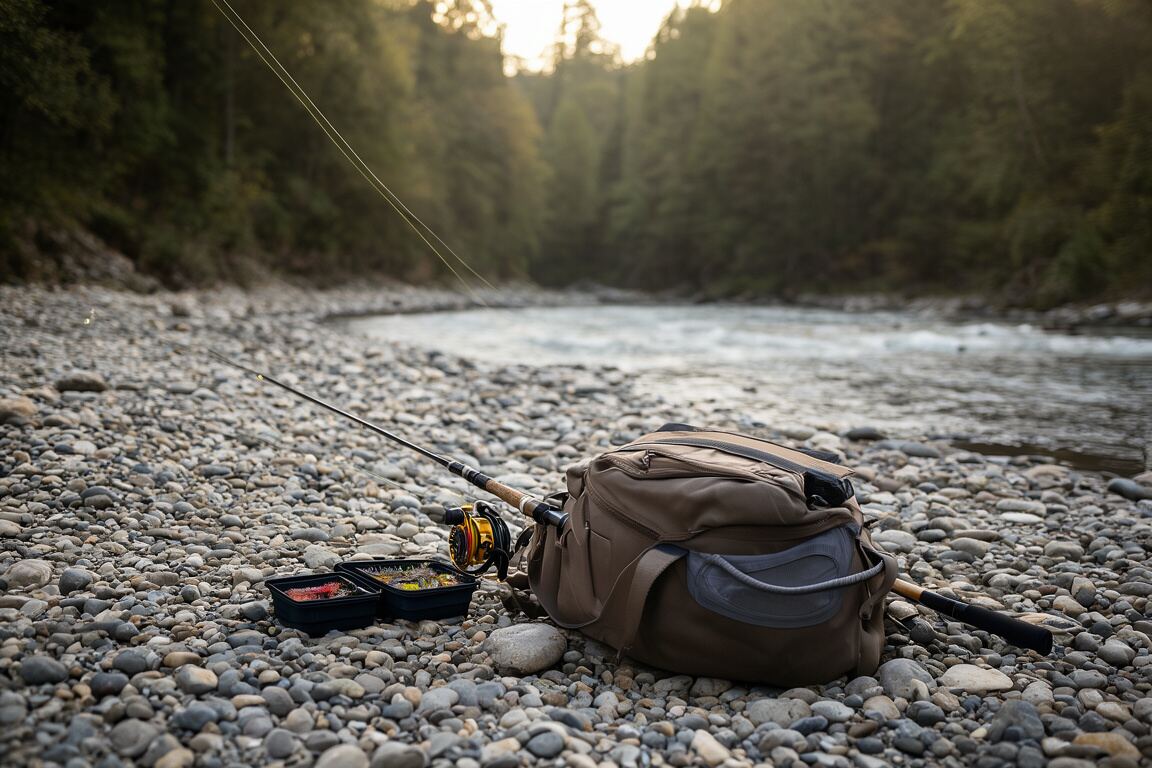
A useful kit is not the longest list. It is a set of dependable pieces that match the water, the weather, the approach, and the distance back to the car.
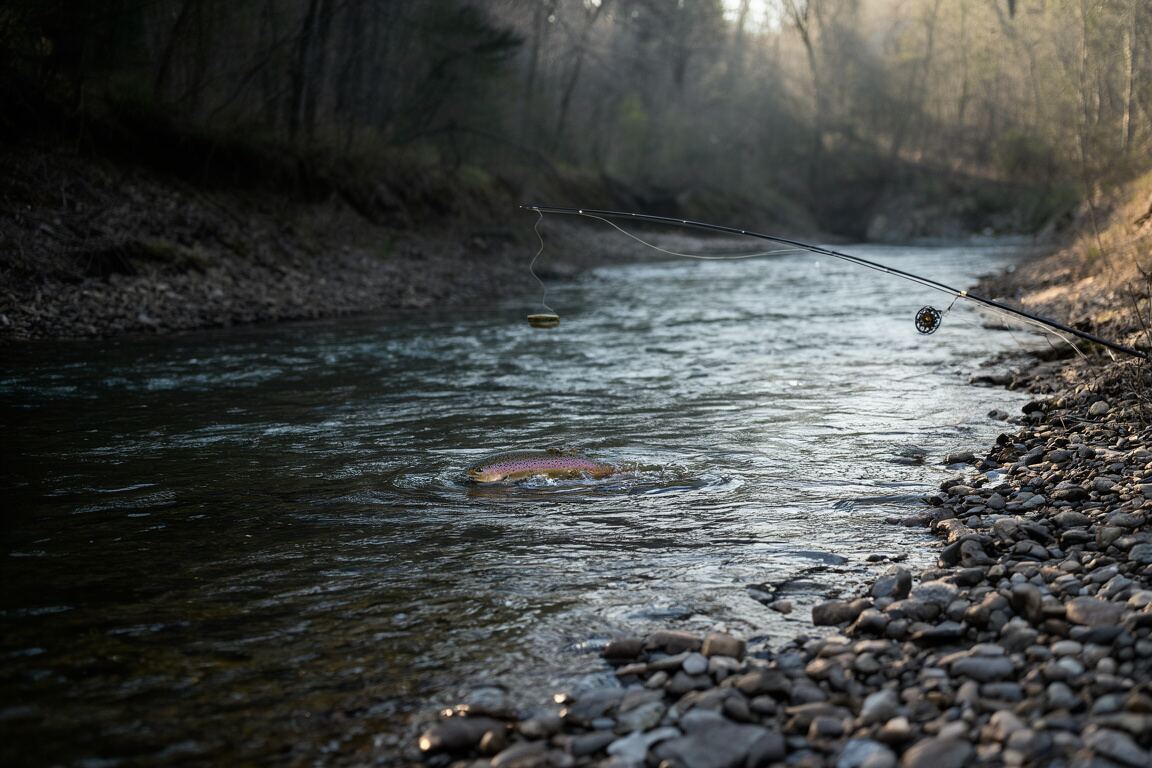
Trout fishing starts before the cast. Light, depth, food, cover, and a careful approach all help decide which water deserves attention.
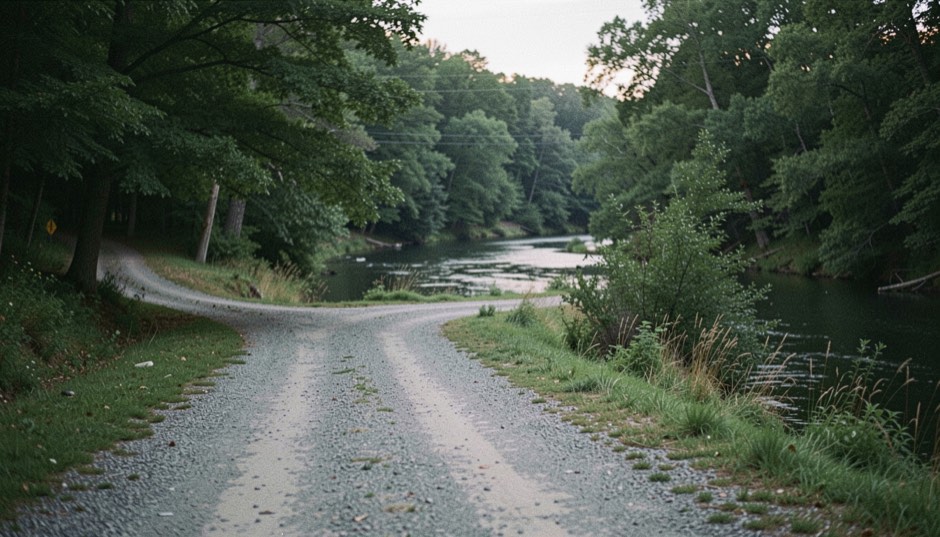
Access is part of the sport. A good arrival respects neighbors, keeps gates and banks in order, and leaves the next angler a clear path.
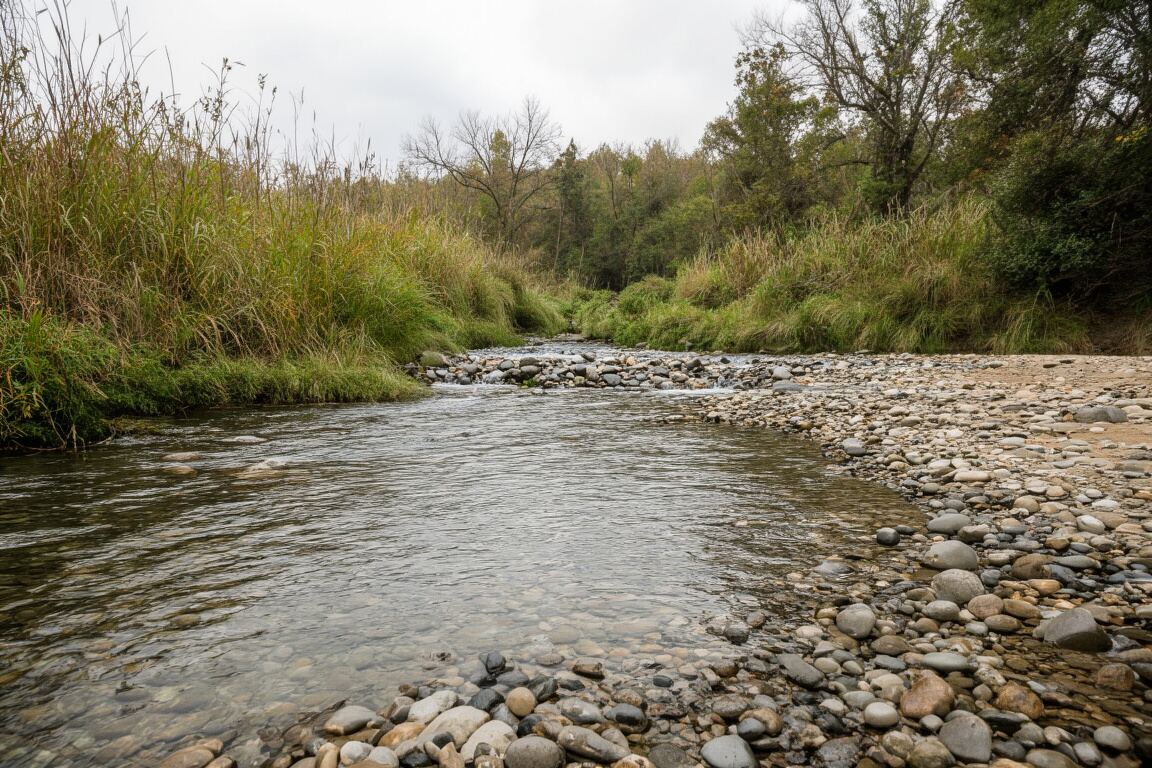
Healthy rivers depend on repeated small acts. Clean hands, careful wading, honest access, and attention to habitat add up over time.
Notes for people who like the practical parts of fly fishing as much as the pause before a fish moves.
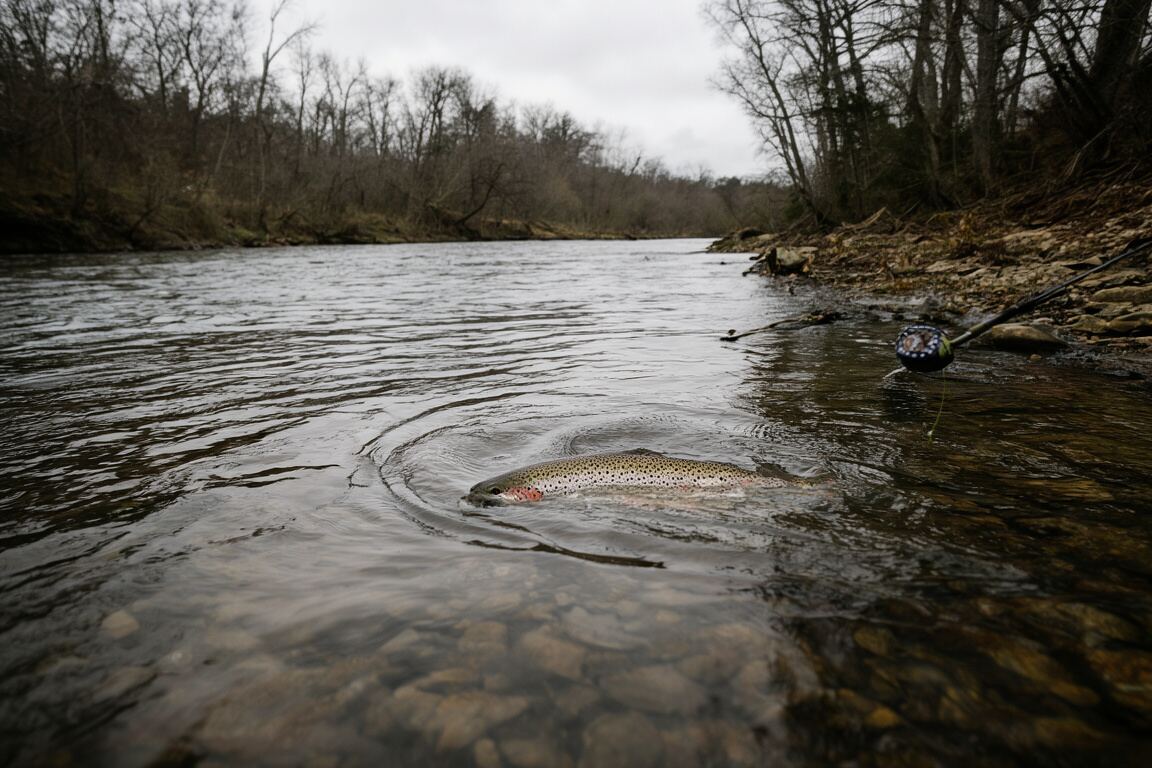
Trout fishing starts before the cast. Light, depth, food, cover, and a careful approach all help decide which water deserves attention.
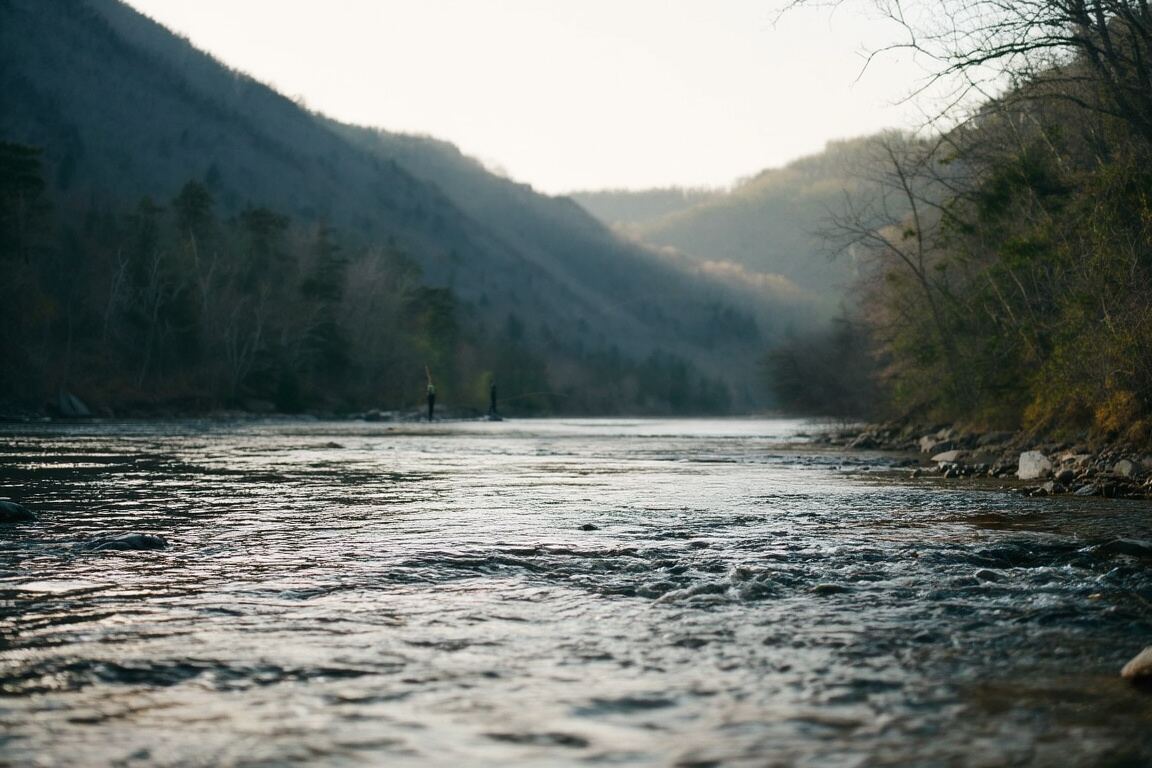
Changing water rewards observation before ambition. Start with the current in front of you, decide what is safe, and let the day set its own pace.
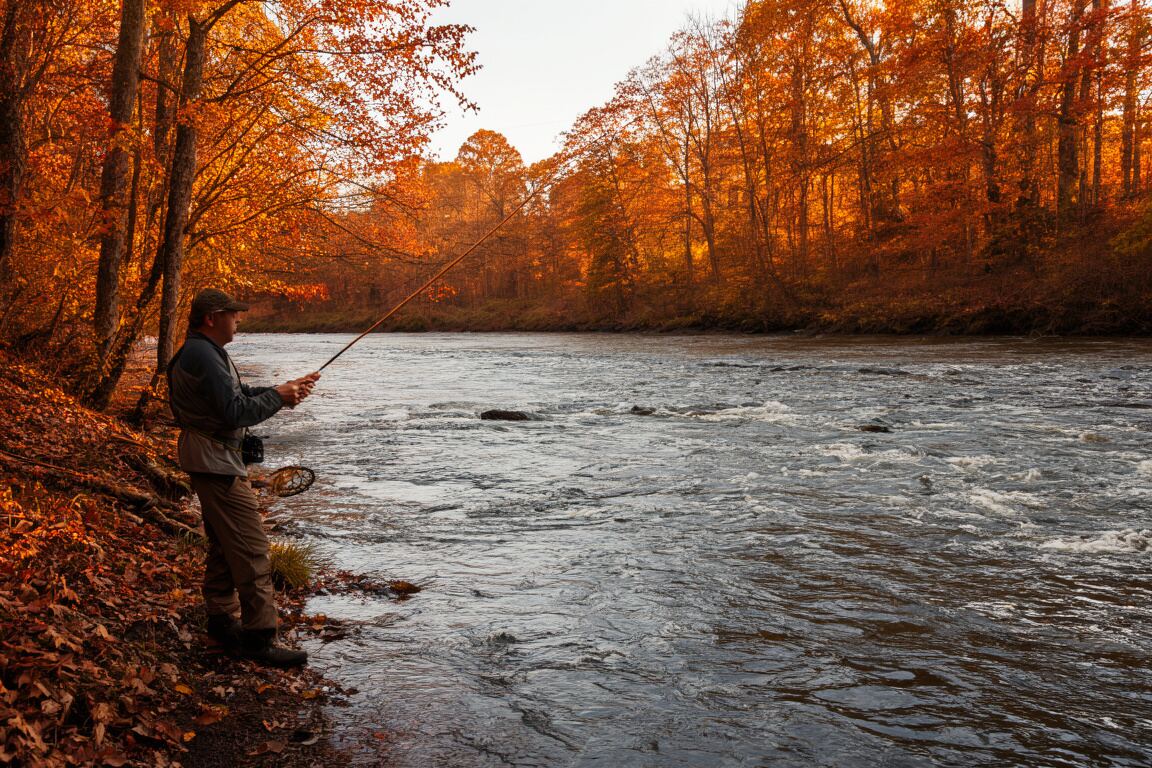
Fall light changes the edges of a stream. Cooler air, leaf cover, and lower angles invite shorter plans and careful wading.
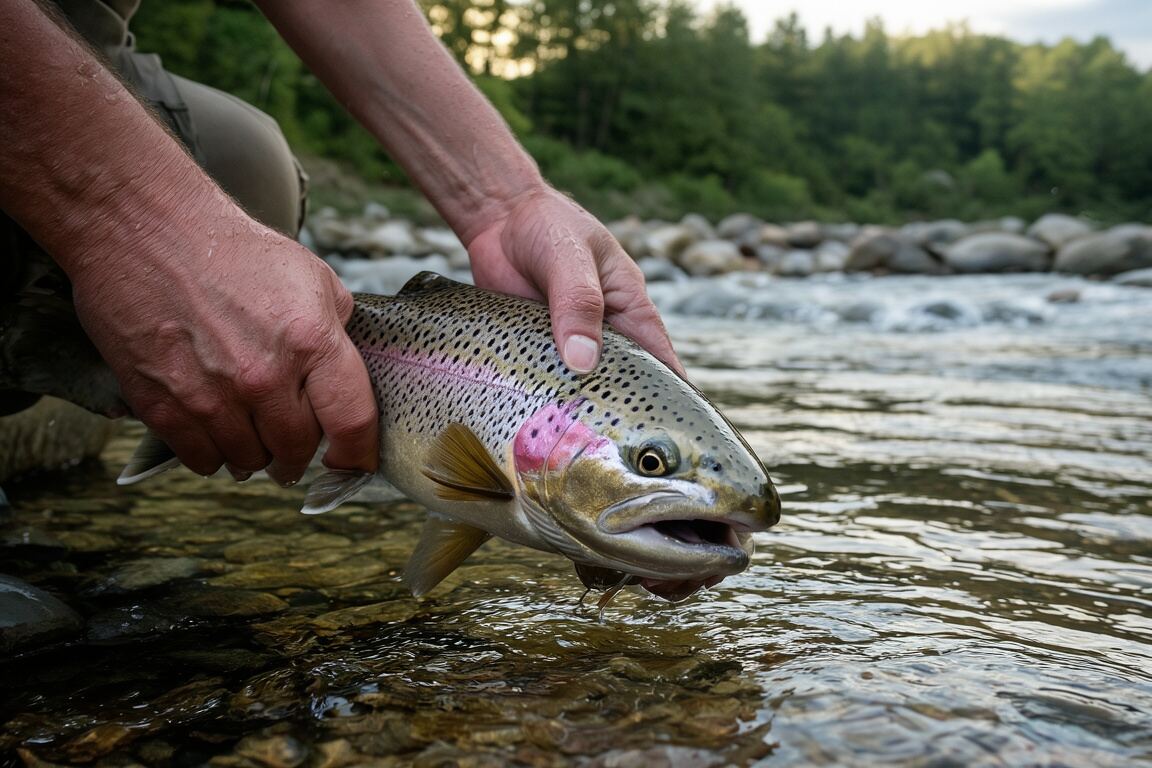
The useful question is not how much water a river holds, but where the current gives a trout a quiet lane and an angler a clean presentation.
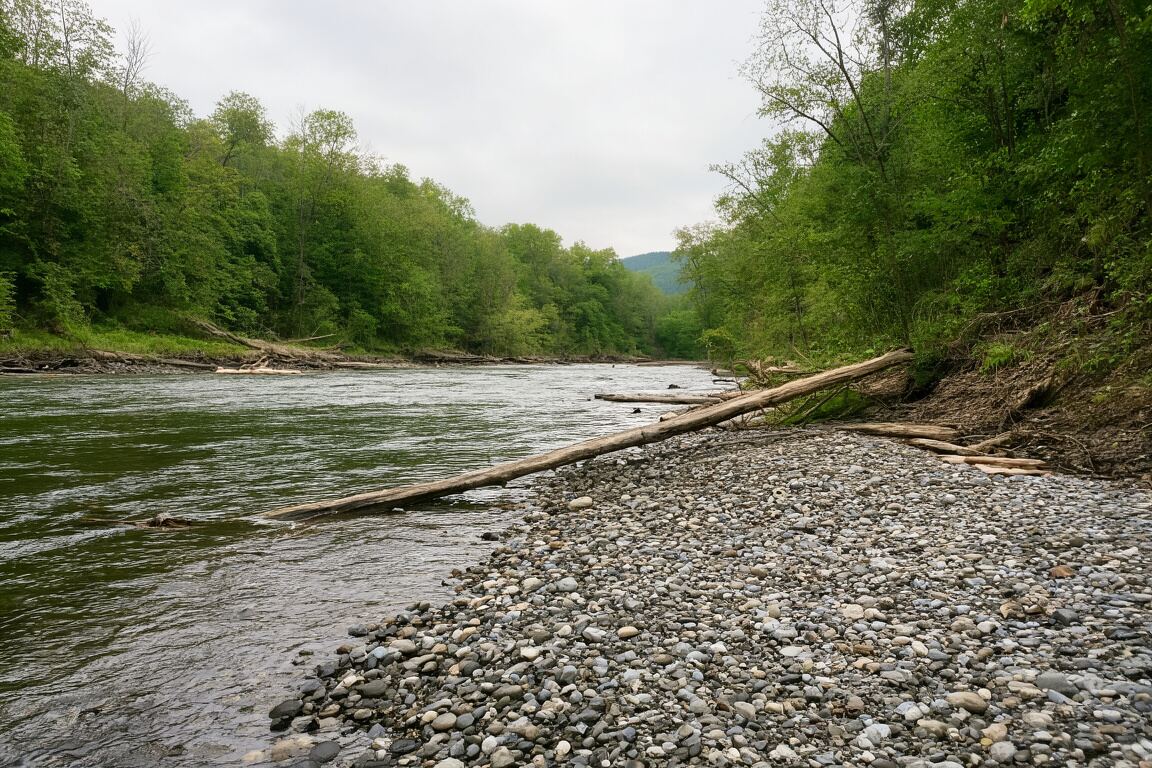
Conservation begins with ordinary decisions: where to step, what to carry out, how to share an access point, and what to leave undisturbed.
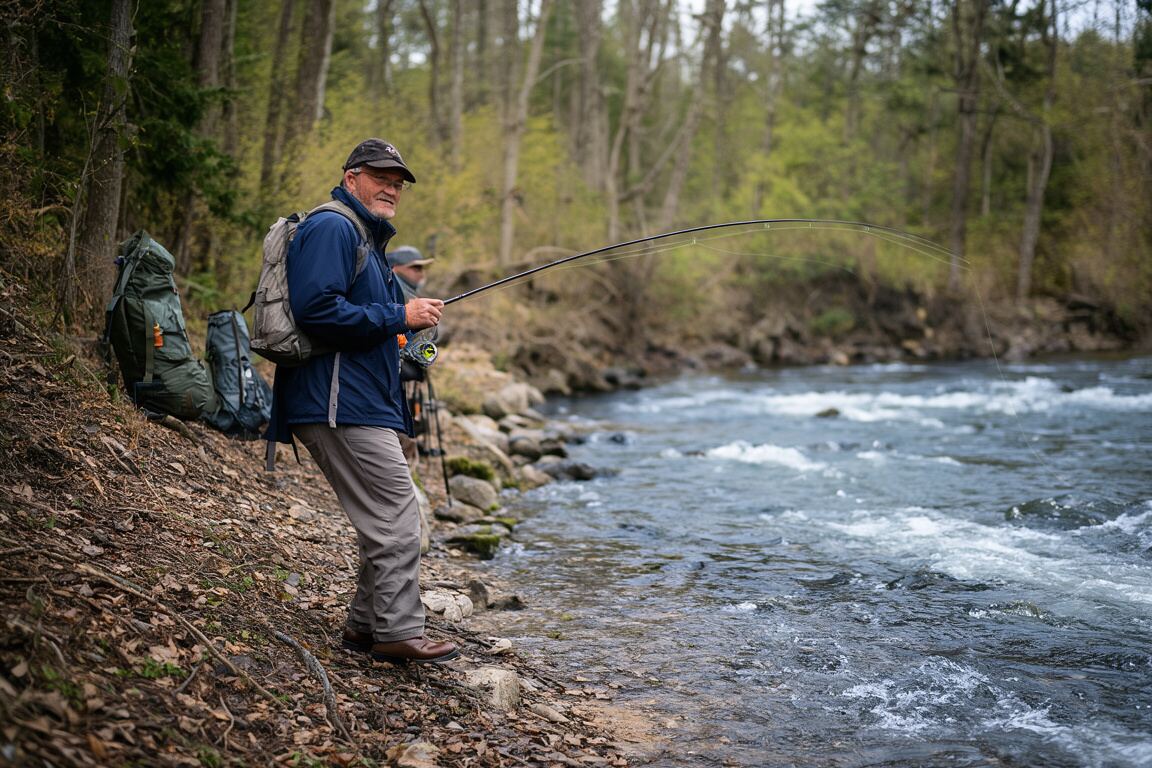
A productive river day is made of small adjustments. Pace the bank, read the softer water, and keep the fly choice answerable to what is in front of you.
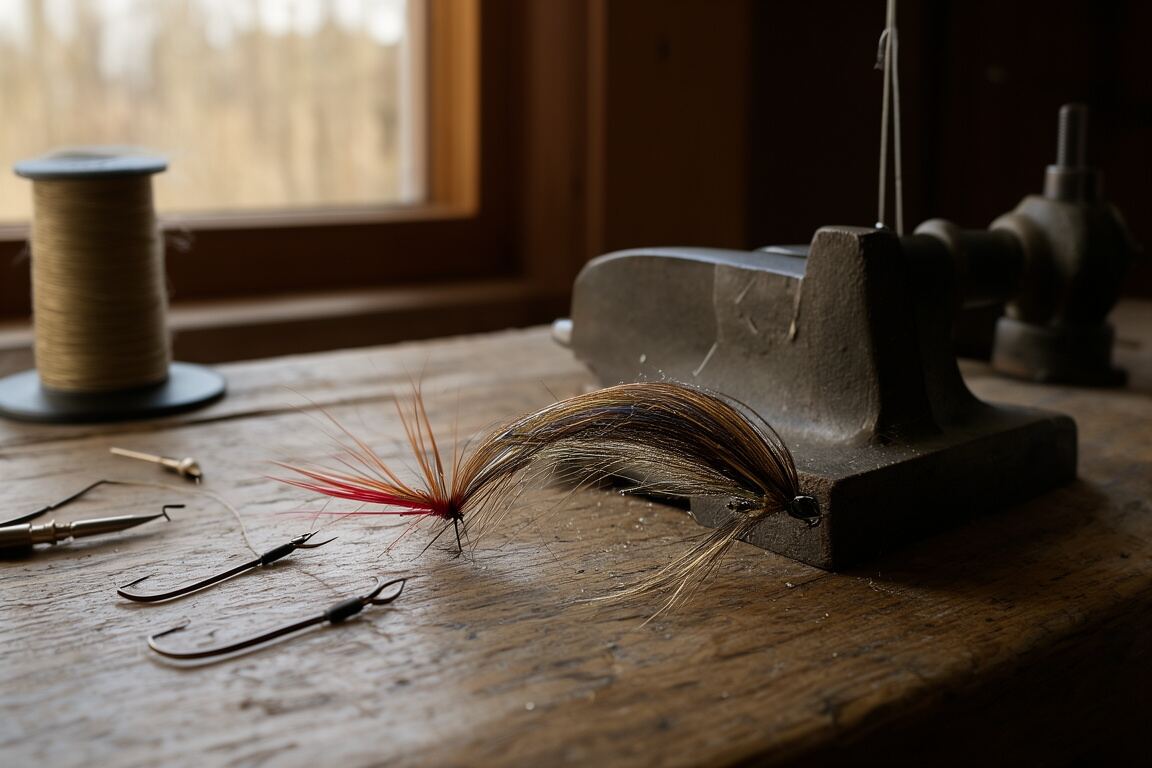
A shad pattern works as a study in shape and movement. The tying bench is where excess becomes visible, and restraint makes the final profile easier to fish.
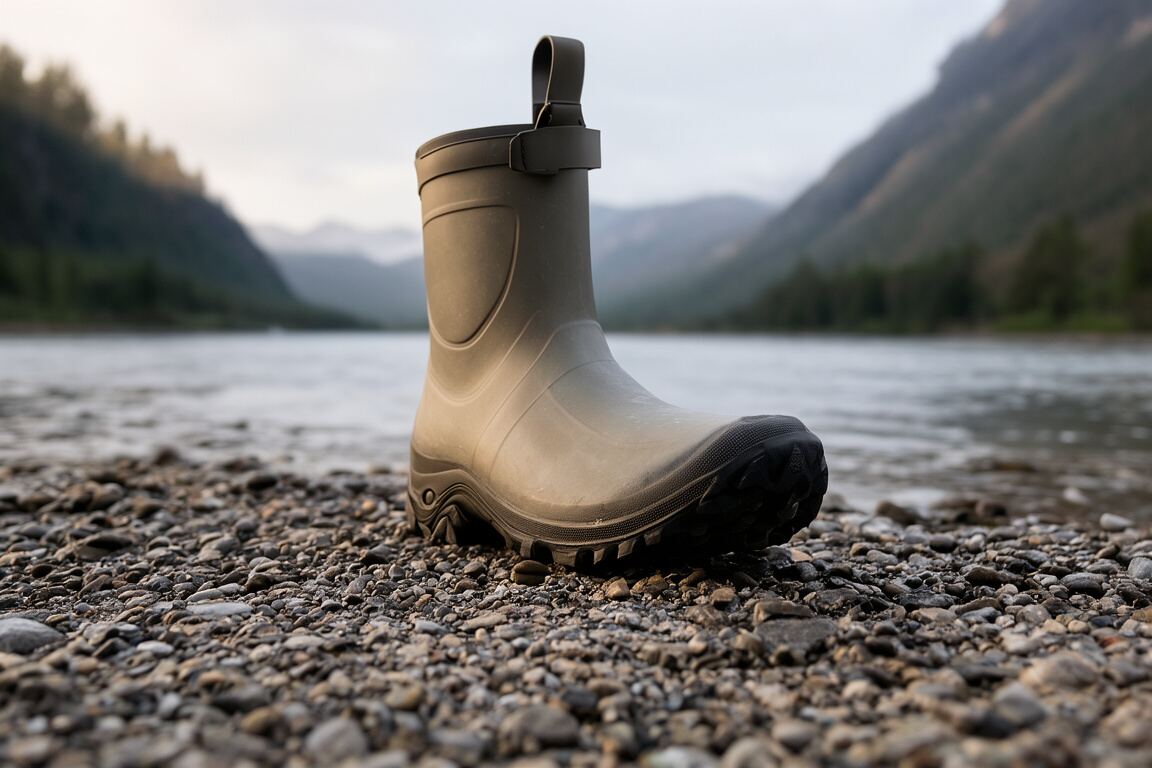
Footwear is part of a river plan. Fit, traction, drying time, and the walk to the water matter as much as the label on the box.
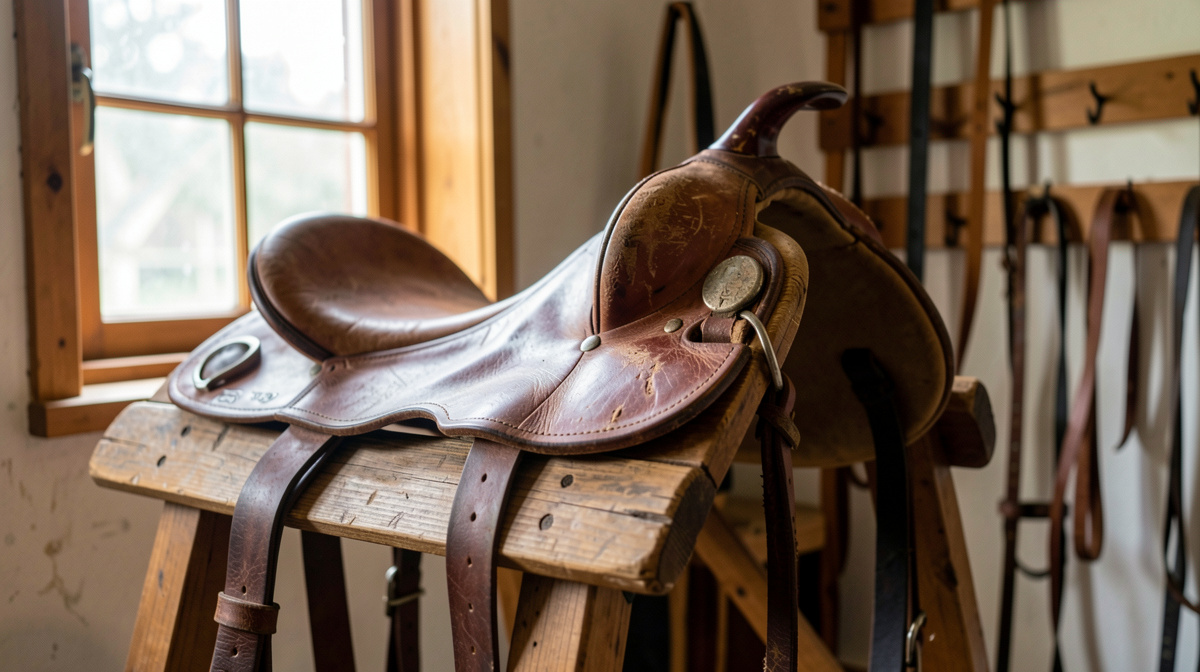
A plain guide to horse riding for newcomers: what a first lesson involves, how to read trail markers, and how to prepare for a multi-day ride.
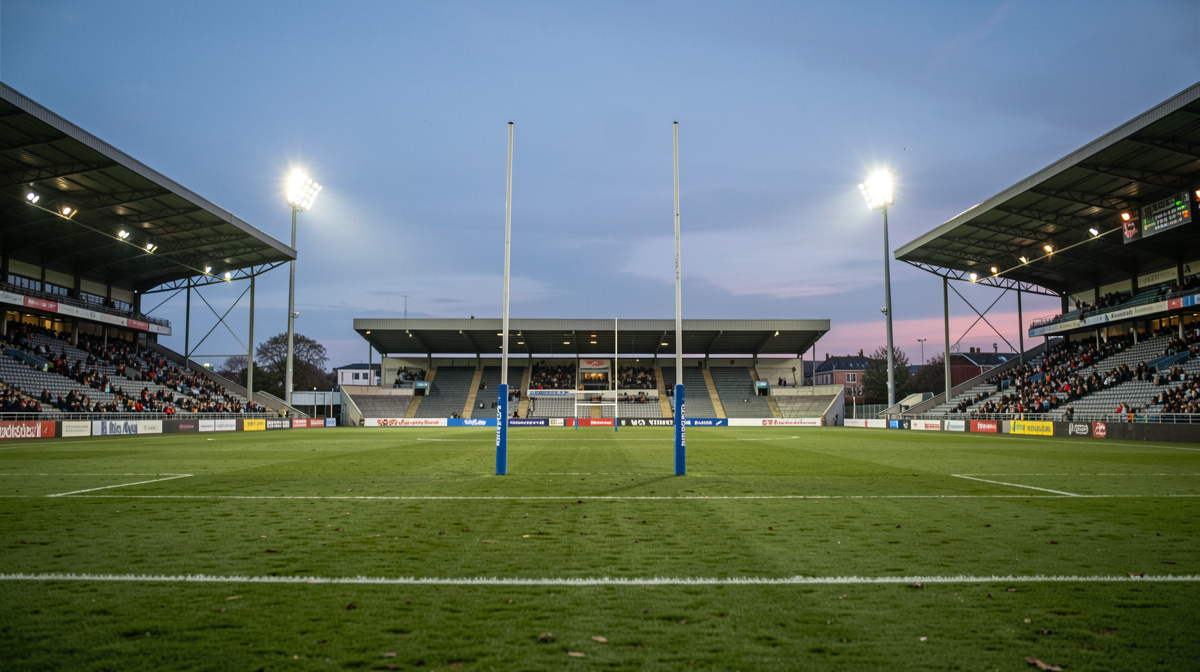
A guide to rugby in Bordeaux: the historic Chaban-Delmas stadium, its 32,930 seats, four stands, and the match day habits around Place Johnston.
From Georgia fly fishing and fly fishing knots to river conservation, the useful details live close to the water.
About the field desk · Editorial policy · Sponsored content policy · Legal notice · Privacy policy · Contact
Paddelbladet, a Swedish magazine on sea kayaking, covers capsize recovery, gear choices, and reading wind, current, and chop in Öresund, with verified guidance for beginners and touring paddlers seeking cold water safety and route planning.
The archived pages of almerisub.com document an amateur Spanish project on underwater photography, diving and freediving around Almería and the Cabo de Gata-Níjar Natural Park, with dive sites in Cabo de Gata recorded in Spanish before the domain lapsed in 2017.
The Billingsgate Journal, at roxysportfishing.com, keeps a running log of rock harbor tides navigable window, noting slack water, current shifts and the hours when a boat can work the channel without grounding.
For families in Fife and around the Firth of Forth, The Forth Swimmer covers club swimming, open water sessions, and adult lessons, with practical guidance on how to teach a child to swim in tidal and pool settings.
For readers who want to understand how adult softball leagues work, The Infield Line covers recreational play, co-ed and men's divisions, seasons, tournaments, equipment, safety, and the culture of the field.