Rugby in Bordeaux: Stadiums, History, Match Days
A guide to rugby in Bordeaux: the historic Chaban-Delmas stadium, its 32,930 seats, four stands, and the match day habits around Place Johnston.
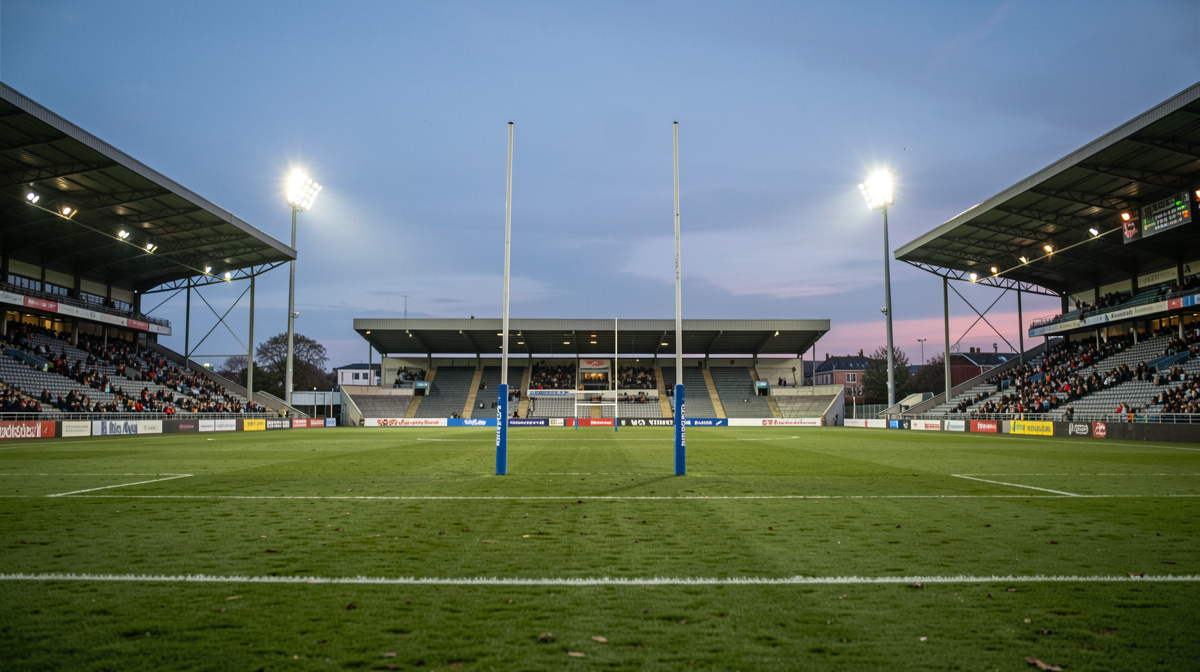
Rugby in Bordeaux is played at the Stade Chaban-Delmas, a ground with 32,930 seats and four stands. The first stone was laid in 1924, and the stadium remains the home of the city's professional rugby club. On match evenings, supporters gather around Place Johnston before walking to the ground.
Why does Bordeaux matter in French rugby?
Bordeaux is one of the historic centres of French rugby. The city's club plays in the top professional leagues, and its results are followed across the region. The stadium sits inside the city, not on a distant outskirts, so match days mix with the normal life of the neighbourhood.
The ground holds 32,930 spectators. It has four stands, each with its own name and character. The first stone dates from 1924, which makes the venue one of the older rugby grounds still in regular professional use in France.
For visitors and residents, the stadium is part of the city's identity. The pitch is a rugby field, with posts standing on the grass at the end of the day. The stands rise close to the touchlines, so the crowd stays near the play.
A useful starting point for anyone following the local game is the coverage of Bordeaux rugby, which collects the history of the ground and the club's fixtures in one place.
What happens around the stadium on a match evening?
Match evenings follow a familiar pattern. Supporters arrive in the late afternoon and early evening. Many stop on Place Johnston, a square near the ground, before making their way to the turnstiles. The area fills with people wearing the club's colours.
Inside, the four stands fill at different speeds. Regulars know which entrance moves fastest and which concourse is less crowded. The pitch is prepared during the day, and the posts are checked before kick-off.
The stadium is an enclosed urban ground. That shape keeps noise inside and makes the crowd feel close to the field. When the stands are full, the sound carries across the pitch and out into the surrounding streets.
After the final whistle, the same square fills again. Supporters review the match, and the neighbourhood returns to its usual rhythm within an hour or two.
How many seats does the stadium have and how is it arranged?
The Stade Chaban-Delmas has 32,930 seats. The seating is divided among four stands. Each stand runs along one side or one end of the pitch, and together they enclose the field.
The capacity figure matters for match days. It sets the size of the crowd, the number of entrances in use, and the pressure on public transport around the ground. A full house changes the atmosphere and the logistics of the evening.
The four stands also create different viewing angles. Seats along the sides give a wide view of the pitch and both sets of posts. Seats behind the posts give a direct view of kicks at goal and of play moving toward the try line.
Because the ground is old, its stands have been adapted over time rather than rebuilt from scratch. The result is a venue that keeps its historic shape while meeting modern requirements for spectators.
When was the stadium built?
The first stone of the stadium was laid in 1924. That date places the ground in the interwar period of French sport, when many city stadiums were built or expanded.
The venue has served the city for a century. Its name has changed over the years, but its role has stayed the same: it is the main rugby ground of the Bordeaux metropolitan area.
Knowing the date helps explain the layout. Older grounds were built tight against the streets, with stands close to the pitch. That is why the crowd feels near the action and why the noise stays inside the bowl.
What does a match day look like in the neighbourhood?
A match day in the neighbourhood is a slow build. Shops and cafes near Place Johnston see more customers in the hours before kick-off. Trams and buses carry supporters toward the ground.
Near the stadium, the streets fill with people walking in the same direction. The crowd is a mix of season ticket holders, families, and visitors who have come to see the ground itself.
Inside, the evening has its own rhythm: warm-ups, the teams entering the pitch, the kick-off, and the long second half. The posts stand on the grass, and the floodlights come on as the light fades.
When the match ends, the crowd leaves through the same gates it entered. The square near the ground becomes a meeting point again, and the city absorbs the supporters back into its normal evening.
How can a visitor plan around a rugby weekend?
A visitor can plan a rugby weekend around the stadium and the city centre. The ground is within the urban area, so it can be reached on foot from central districts or by public transport.
It helps to arrive early. The area around Place Johnston is busy before kick-off, and the entrances to the four stands each have their own queues. Arriving with time to spare makes the evening easier.
Tickets and kick-off times change from season to season, so it is worth checking the club's schedule before travelling. The stadium also hosts other events, so not every evening at the ground is a rugby night.
For the rest of the weekend, Bordeaux offers its usual attractions: the riverfront, the old town, and the markets. A rugby match can sit alongside those plans without much difficulty.
Why do the numbers matter?
The numbers around the stadium tell a simple story. A capacity of 32,930 seats means a full house is a large crowd for a city ground. Four stands mean four sets of entrances, four concourses, and four different views of the pitch.
A first stone from 1924 means the ground has seen generations of players and supporters. Place Johnston means the match day extends beyond the turnstiles into the streets around the stadium.
Together, these details explain why the ground still matters to the city. It is not only a venue for matches. It is a fixed point in the life of a Bordeaux neighbourhood, used on match evenings and quiet on other days.
What should a first-time visitor know?
A first-time visitor should know three things. First, the stadium is in the city, so travel times are short. Second, the crowd arrives early, especially around Place Johnston. Third, the four stands give different experiences, and the view from behind the posts is very different from the view along the sides.
It also helps to know that the ground is old and has kept its historic shape. The stands are close to the pitch, and the noise stays inside. That is part of the appeal for regular supporters.
Finally, a visitor should treat the evening as a full event, not just a match. The hours before kick-off and the walk back into the city are part of the experience, and they are easy to enjoy on foot.