Toccoa River Conservation
Conservation begins with ordinary decisions: where to step, what to carry out, how to share an access point, and what to leave undisturbed.
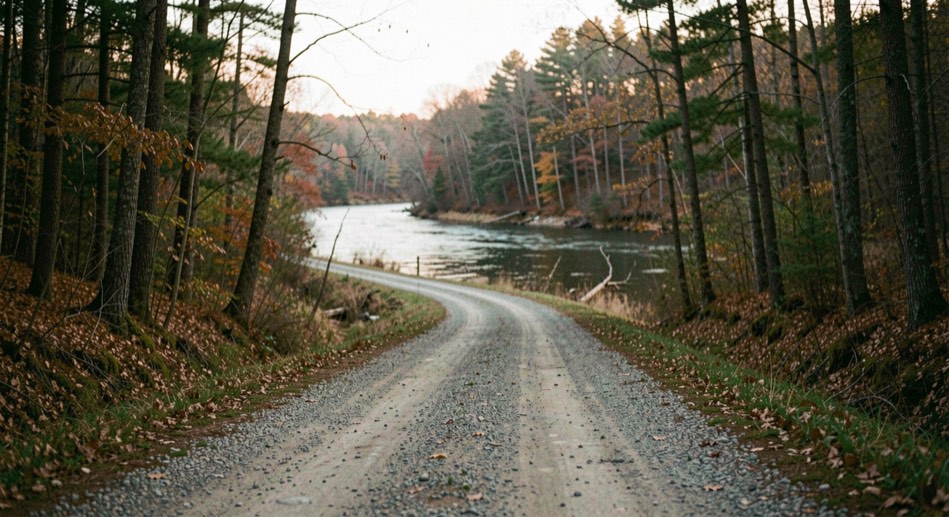
Conservation starts before the cast
Toccoa River conservation is not a separate topic reserved for a meeting or a restoration project. It begins with the way an angler arrives, chooses a bank, handles a fish, and leaves. The river is a shared recreation setting with public and private interests around it, so a good habit must work across those boundaries. The first step is to identify what is actually under your control. You can check the current rule, use a legal access, avoid fragile edges, reduce handling, carry out waste, and report a problem through the proper manager. Those actions are modest, but they are repeatable.
Protect what is already working
Protection is often less visible than repair. It can mean staying on a durable path instead of widening a shortcut, keeping vehicles away from a soft bank, or not turning a shallow spawning area into a convenient crossing. The USDA Forest Service material in the Evidence Pack describes the Toccoa in a landscape with varied ownership and recreation use. That context matters because a single careless route can affect a landowner, a paddler, an angler, and the river edge at the same time. Before improving anything, ask whether leaving it alone is the better intervention.
Separate evidence from assumption
A cloudy day, a warm reach, a bare bank, or a concentration of fish can invite a strong conclusion. Resist that jump. A responsible field note describes what was observed, where, when, and under what conditions. It does not claim a population trend from one visit. If water quality, temperature, clarity, level, erosion, or an obstruction seems important, record the observation carefully and use the appropriate agency or stewardship channel. Trout Unlimited's monitoring guidance is useful context for the kind of information that can be recorded, but Riffle Notes does not claim to have collected a dataset.
Keep access from becoming damage
Access is part of habitat pressure. Repeated footsteps on a narrow bank can remove plants, expose soil, and create a path that draws more traffic. Parking over vegetation or blocking a gate can turn a recreational visit into a problem for someone else. Use established approaches, share the space, and move your entry point when the surface is fragile. In private areas, ask permission before entering. A public-looking river corridor is not a universal invitation, and a good fishing method cannot repair an access decision made without permission.
Make release care ordinary
Conservation language can become grand while the fish is still in the net. Keep the practical sequence simple. Prepare the camera before the fish is lifted, wet hands, support the body, avoid contact with the gills, and return the fish in a calm edge. Do not force a release photograph when the current or temperature makes handling risky. The same thinking applies to hooks, line, and leaders. A dropped piece of tippet is small, but it is still an avoidable object in a place where wildlife can encounter it.
Understand restoration as a process
Trout Unlimited frames conservation through protecting, reconnecting, restoring, and sustaining coldwater resources with partners. That framework helps explain why a single project is not the whole story. A culvert, a stream bank, water temperature, land use, and public behavior can connect across a watershed. Anglers do not need to pretend to be engineers or biologists. They can learn who manages a reach, support credible local work, follow a project update, and avoid interfering with a restoration site. Good stewardship includes knowing when observation should become support rather than an improvised repair.
Share a usable river
The Toccoa is not only a line on an angler's map. It can be a route for paddling, a walking destination, a camping setting, or a place where a landowner has a legitimate need for privacy and safety. Give way when the river requires it, keep voices and music reasonable near camps and homes, and do not publish private details as though they were public directions. Courtesy protects the social conditions that make access possible. It also makes a conservation message credible because it includes people, not only habitat.
Leave a better record
A practical conservation note ends with a next action. Verify the current rules, use the official access information, keep the approach narrow, handle fish briefly, and report only what you can describe. If the question is bigger than one visit, follow a local watershed group or agency project that publishes its methods. Then return to the river with the same discipline. Compare this page with river conservation, fly fishing access, and Georgia trout fishing for the wider habits that belong beside the Toccoa.
For the next step, compare this note with Fly Fishing Notes, Fly Fishing, How to Read a River, River Conservation and Fly Fishing Contact. Each link keeps the same question in view while opening a different part of the river.