Fly Fishing Wading Boots
Footwear is part of a river plan. Fit, traction, drying time, and the walk to the water matter as much as the label on the box.
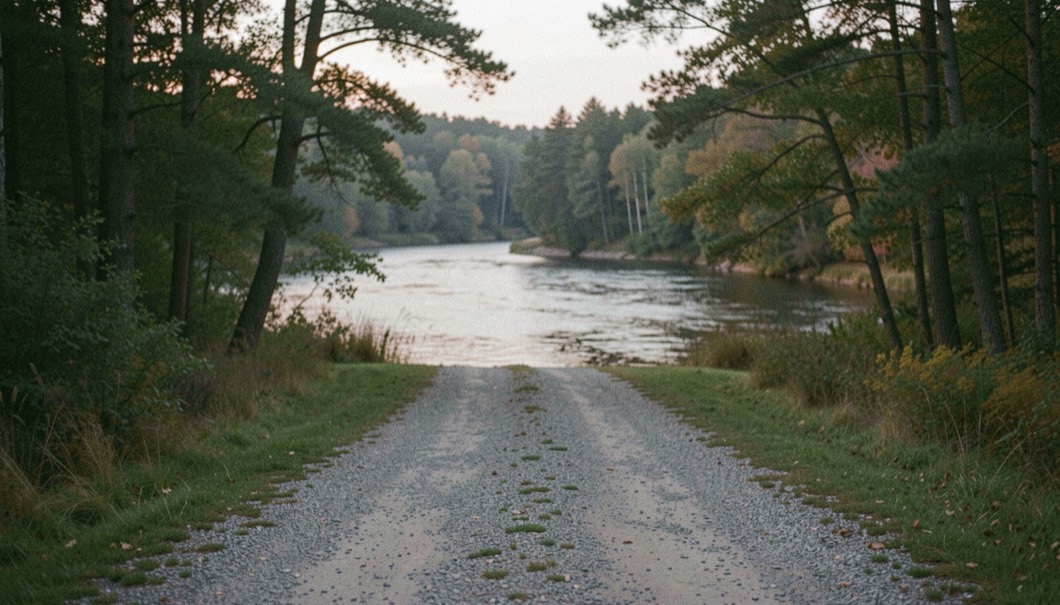
Boots are access equipment
Fly fishing wading boots are not an accessory added after the rod has been chosen. They determine how confidently an angler can walk to the water, stand on a wet surface, and leave without turning a small slip into a serious problem. The correct choice begins with the terrain, the wader type, the amount of walking, and the rules of the place being fished. A boot that feels excellent on a flat shop floor may not suit a rocky stream or a long approach. Evaluate the whole route, including the part between the car and the first cast.
Fit around the wader
Try boots with the socks and wader booties you will actually wear. Toes should not be pressed against the front when walking downhill, and the heel should not lift enough to create a hot spot. The foot should feel held without being trapped. Laces, closures, and gussets need to remain usable with cold fingers and wet hands. A generous fit is not automatically a good fit if the foot slides inside. Stability comes from the relationship between the boot, the wader, the sock, and the ground.
Choose traction honestly
Soles ask for a tradeoff. Felt can feel secure on some wet rock, while rubber may travel better across roads, trails, and mixed surfaces. Studs can add bite but may affect floors, boats, trail policy, and the way a foot releases during a slip. There is no universal best sole for every river. Check current local restrictions and think about the surface you will cross most. A traction system that works on one clean boulder may be less useful on mud, leaves, gravel, or a long hike.
Think about the walk
The boot's weight becomes part of the day when access is distant. A sturdy model can protect and support, but extra weight also changes fatigue and balance. Look at drainage, ankle structure, flex, and how the upper behaves when wet. If the route includes a road, a trail, and a river edge, the boot must be comfortable across all three. A boot that stays in the car because it is unpleasant to walk in has no practical value, no matter how impressive its sole looks in a photograph.
Protect the stream
Boot selection has an environmental side. Clean and dry footwear between waters when the local authority recommends it, and remove mud or plant material before traveling. Do not move through a river simply because a boot gives confidence. Avoid fragile banks, spawning areas, and shallow places where a crossing would disturb more bottom than necessary. The boot helps the angler move, but it does not decide where movement is appropriate. That decision still belongs to the water, the rules, and the access.
Test the practical details
Look at stitching, sole attachment, lace hardware, toe protection, and the way the boot opens for drying. A product description can list features, but it cannot tell you whether the lace hooks catch on brush or whether the heel rubs after an hour. If you cannot conduct a real test, say so and treat the page as a selection guide rather than a field review. A trustworthy gear note explains what to inspect and what remains unknown. It should never turn a specification into a personal endorsement.
Drying is part of ownership
Wet boots need a place to drain and a routine that does not damage the materials. Remove insoles if the construction allows, open the tongue, and let air circulate. Avoid high heat that can distort adhesives, rubber, or synthetic uppers. Keep boots away from sealed bags while they are still wet, and inspect them before the next trip. Drying also gives you a chance to find grit, a loose lace eyelet, or a worn sole before the defect appears on a slippery bank.
Make the choice specific
The useful final comparison is not which boot is best in general. It is which boot fits the wader, terrain, traction policy, walking distance, and maintenance habits of the next few trips. Put those requirements on paper, then reject any model that fails a safety or fit condition before comparing colors and features. Continue with fly fishing waders, fly fishing gear, and fly fishing access to connect footwear with the full route.
For the next step, compare this note with Gear Review Notes, Fly Fishing, How to Read a River, River Conservation and Fly Fishing Contact. Each link keeps the same question in view while opening a different part of the river.