Toccoa River Fly Fishing
A productive river day is made of small adjustments. Pace the bank, read the softer water, and keep the fly choice answerable to what is in front of you.
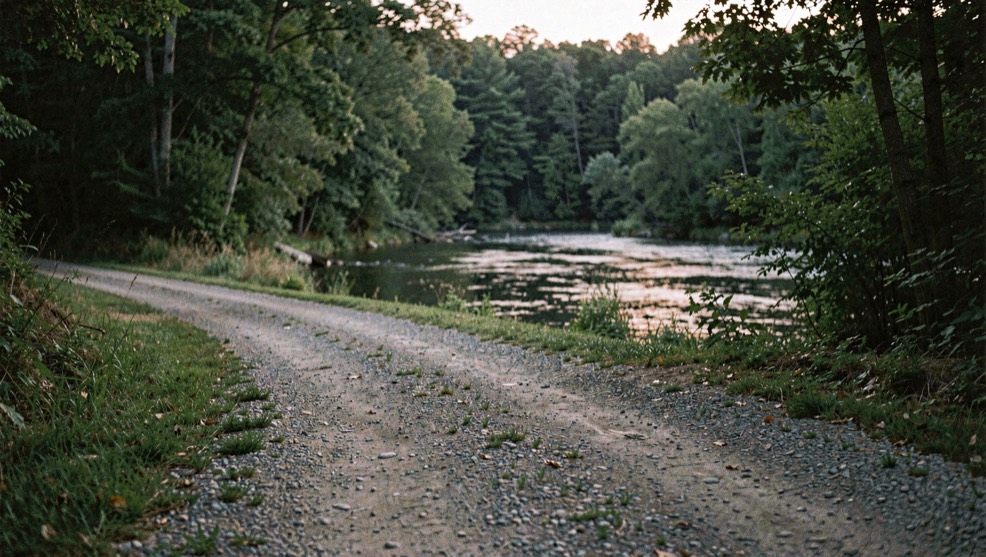
Build a day around the section
Toccoa River fly fishing begins with a section-specific plan. The river has public recreation settings, mixed-use areas, and changing conditions, so a general promise about a river-wide bite would be misleading. Confirm the current access, the type of water, the safety information, and the rules that apply to the reach you will actually fish. Then choose an objective that is small enough to measure: make a clean first presentation, understand one seam, or find a safe way to move between two pieces of water. A useful day can be successful without covering a famous stretch.
Use the bank as a map
Before stepping into the river, study the bank. A gravel shelf, a root wad, a shadow line, or a change in surface texture can reveal where depth and speed differ. Start from the lowest-risk position that offers a clean cast. Move upstream or across only when the next position improves the presentation enough to justify the disturbance and the footing. This approach creates a map of the river in layers: visible current first, likely holding water second, and deeper commitment only after the surface has answered a few questions.
Keep the fly choice answerable
An effective fly choice does not need a dramatic hatch story. It needs an explanation. A pattern may be chosen because it holds a depth, creates a visible silhouette, moves in the current, or can be cast in the available space. If the explanation stops working, change one part of the plan. A weighted nymph can be adjusted through leader length and angle. A dry can be evaluated through drift and drag. A streamer can be tested near cover where its movement is visible. The purpose is to learn what the water permits, not to cycle through a box for comfort.
Control line before distance
The Toccoa can offer room for a longer cast, but distance creates more line to manage. Keep the line hand active, mend only as much as the current requires, and avoid a long loop that lands across multiple speeds. If the target is close, shorten the line. If a back cast is unsafe, use a roll cast or a sidearm delivery. The cast is a connection between the angler and the drift; it is not a performance separate from the drift. A shorter line that stays clean can teach more than a long line that immediately drags.
Share the channel
Toccoa fishing also requires attention to movement around you. Floaters may need the main channel, walkers may be using a crossing, and another angler may have approached from the opposite bank. Keep an exit route, avoid occupying a narrow passage, and communicate without making a public access point tense. The Forest Service context for the river makes the shared-use point clear. The angler's question is not only where a trout may hold, but how to fish that water without making the river harder for everyone else to use.
Keep a safe release plan
A moving river makes poor places look convenient when a fish is finally close. Decide where you can land and release before you begin. A net, wet hands, a short photograph, and a calm edge are more useful than a difficult reach into fast water. If the fish is exhausted, keep it in the water and support it until it moves on its own. Avoid turning a trout into a prop for an unverified size claim. The record worth keeping is the one that helps the next decision and leaves the fish with the best chance to recover.
Respect the boundary
Toccoa access can involve public land, managed recreation sites, roads, and private property. A regional guide can help someone understand the landscape, but it cannot grant permission where permission is required. Confirm the land manager, follow signs, park without blocking a road or gate, and keep private details private. A good fishing day is one that can be repeated without creating a new closure or conflict. The river itself is not improved by an angler reaching a bank that should have been left alone.
Carry the method forward
The most durable Toccoa method is a sequence rather than a secret: verify the section, read the bank, make the shortest useful cast, adjust one variable, share the channel, and release with care. Conditions will change, and that is why a sequence travels better than a promise. Continue with how to read a river for current structure, fly fishing methods for presentation choices, and river conservation for the part of the day that begins when the rod is put away.
A section-specific plan on the Toccoa also asks the angler to hold two numbers at once: where the water is wadeable and how long the day can run before fatigue changes the cast. That second number is not a river fact, it is a body fact, and it is the same one that governs any endurance effort. Anglers who track their own running time for weight loss often find that a steady 20 to 40 minutes, three or four times a week, carries over to longer, more accurate hours on the water. Confirm access, water type, safety information and rules for the reach before you go.
For the next step, compare this note with Fly Fishing Notes, Fly Fishing, How to Read a River, River Conservation and Fly Fishing Contact. Each link keeps the same question in view while opening a different part of the river.