Horse Riding Basics for the Curious Beginner
A plain guide to horse riding for newcomers: what a first lesson involves, how to read trail markers, and how to prepare for a multi-day ride.
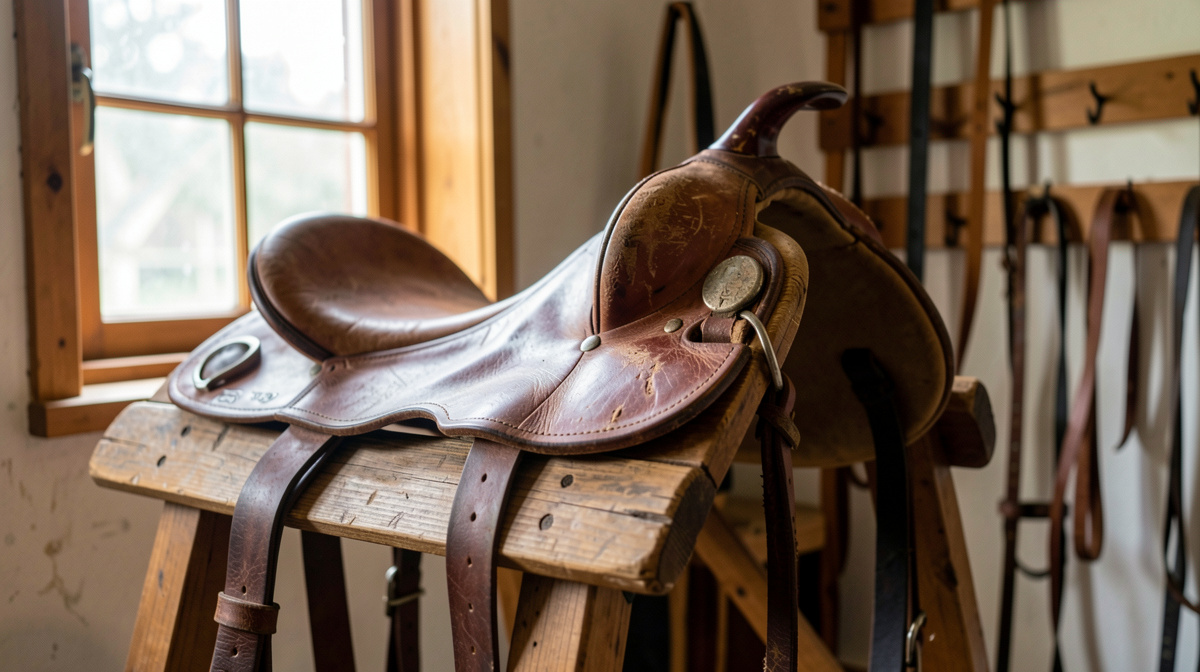
Horse riding is a sport of small, repeatable habits. A beginner learns to sit balanced, to hold the reins without gripping, and to ask for a walk before asking for anything faster. Most people can start with a single supervised hour and decide afterwards whether they want more.
What Happens in a First Riding Lesson?
A first lesson is usually shorter than people expect. The horse is caught, groomed and tacked up before the rider mounts, and that preparation is part of the lesson rather than a delay. A supervised hour at the walk covers mounting, posture, stopping and steering. The pace stays slow on purpose: a rider who cannot halt calmly has no business trotting.
Group sizes vary. Some yards run lessons of four to six riders, others work in pairs. The format matters less than the ratio of instructor to rider, and a beginner should ask about that before booking. Clothing is simple: long trousers, a boot with a small heel, and a fitted hat. Most yards lend hats, but a rider who plans to continue usually buys their own.
Weekly organisation at a riding centre is fairly standard. Horses are worked in shifts, lessons are grouped by level, and the same horse may carry three or four riders across a morning. Understanding that rhythm helps a newcomer choose a slot that suits them. A practical magazine covering riding in the Cévennes and the Gard explains how a centre structures its week, from the string of horses to the timetable of sessions, at centre-equestre-anduze.com.
How Do You Read Trail Markers on a Ride?
Trail marking is a system, not decoration. In France, long-distance routes are marked with a rectangle of paint, usually white over red, and local loops use their own colours. The shape carries meaning: a straight mark means continue, an arrow means turn, and a cross means the route does not go that way.
The support matters as much as the colour. Marks appear on tree trunks, rocks, gateposts and low walls, always facing the direction of travel. A rider who has not seen a mark for several hundred metres has probably missed a turn and should stop rather than push on. Stone-paved paths in the Cévennes foothills hold marks well, but they also hold water, and a horse that slips once will be wary for the rest of the day.
Reading a trail is a skill built over seasons. Late summer, when the undergrowth dies back, is the easiest time to learn a route. Spring growth hides marks and narrows the corridor, so the same path can feel unfamiliar in May and obvious in September.
What Does a Riding Licence Actually Cover?
A federal licence is an insurance and membership document, not a certificate of ability. In France the FFE licence covers the rider for supervised practice in an affiliated establishment and provides personal accident cover during that practice. It does not certify a level, and it does not replace instruction.
A licence and a block of hours are different purchases. A ten-hour card pays for ten sessions and nothing else. A licence pays for membership and cover, and lessons are then paid separately or included in a club package. A rider should read each line of a price list and ask which one they are buying, because the two are often quoted side by side.
Coverage has limits. A licence typically applies to riding within the affiliated structure and to activities organised by it. Riding a friend's horse in a field, or hiring a horse abroad, may fall outside it. The details sit in the policy document, and it is worth reading once rather than assuming.
How Do You Prepare for a Multi-Day Ride?
Multi-day riding is a logistics exercise with a horse attached. The route is planned in stages of four to six hours in the saddle, with a known stopping point each night. Water for the horse is the first constraint, not food for the rider. A horse drinks far more than a person and needs to be watered at least twice on a long day.
Saddlebags carry a strict minimum: a change of clothes, a rain layer, a basic first-aid kit, a hoof pick and a halter with a lead rope. Anything else stays behind. Weight on a horse's back accumulates over consecutive days, and a bag that feels light on Monday does not feel light on Thursday.
Nights are booked in advance. Some routes use farm accommodation with stabling, others use fields with electric fencing. A rider should confirm what is provided at each stop: hay, water, a box or a paddock. Arriving at dusk to find no water is a planning failure, not bad luck.
Fitness matters for the rider as much as the horse. Two hours in the saddle uses muscles that gym work does not reach. A few weeks of riding before departure, plus some walking, makes the first two days far more pleasant.
Why Do Riders Learn in a School First?
A school horse teaches more than a private horse can. School horses are used to mistakes, to unbalanced riders and to sudden movements, and they respond predictably. That predictability is what allows a beginner to concentrate on their own position instead of managing an unfamiliar animal.
Arena work also builds the vocabulary a rider needs outdoors. Walk, trot, halt, rein back, turn on the forehand: these are the words an instructor uses on a trail, and a rider who has never heard them in a school will struggle to follow instructions in the open.
There is a limit to arena work. Riding in an enclosed space for months without going out produces a rider who can perform exercises but cannot read ground. The two belong together: school work builds control, and hacking builds judgement.
What Should a Beginner Ask Before Booking?
Four questions cover most of it. How many riders are in a lesson? What is the instructor's qualification? Are hats provided and to what standard? What happens if the rider falls off?
The answers reveal how a yard operates. A centre that answers clearly and without hesitation is usually well organised. A centre that avoids the question about falls is not. Falling is part of riding, and a serious establishment has a written procedure for it.
It also helps to visit before booking. Watching a lesson for twenty minutes shows more than any website: how the horses look, how the instructor speaks, whether riders are relaxed. A rider who watches first tends to choose better.
The Terrain Comes Before the Theory
Riding is learned on ground, in weather, with an animal that has its own opinion. A path in the Cévennes foothills in early summer is a different proposition from the same path in late autumn, and no article replaces the experience of either. Beginners do best when they accept the slow version: one hour, one horse, one instruction at a time.