River Conservation
Healthy rivers depend on repeated small acts. Clean hands, careful wading, honest access, and attention to habitat add up over time.
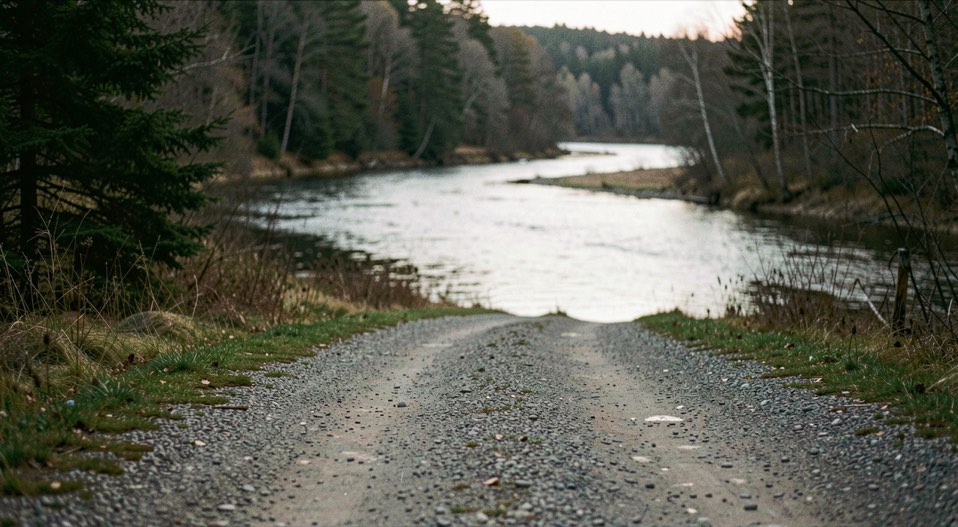
Make conservation practical
River conservation can sound too large for an individual angler, but a useful plan starts with actions that can be repeated. Check the current rule. Use a legal access. Avoid fragile banks and unnecessary crossings. Handle fish briefly. Carry out line and food waste. Observe a problem carefully before reporting it. Those habits do not replace habitat work, but they reduce the everyday damage that makes larger work harder. The best conservation article should help a reader decide what to do at the next river, not only agree that rivers are important.
Protect the edge
The stream edge holds soil, plants, shade, insects, and a route for wildlife. Repeated footsteps, vehicles, and improvised paths can remove those functions one small visit at a time. Use established approaches, keep gear off delicate vegetation, and avoid turning a convenient rock into a permanent crossing. If a bank is unstable, move the fishing plan rather than reshaping it. Leaving a site intact is a positive decision even when it produces no photograph or dramatic story. Where a bank has already failed and a landowner or watershed group is replanting it, the species list matters far more than the plant count, which is why restoration crews buy from nurseries that actually grow their own native stock instead of from whichever supplier can fill the order fastest.
Keep cold water in mind
Trout and other coldwater species depend on conditions that can shift with weather, flow, land use, and shade. An angler does not need to claim a temperature trend to respect that dependence. Check current local guidance, notice when water is unusually warm or low, and reduce handling when fish are stressed. If the conditions make a release uncertain, shorten the day or change the target. The responsible choice is often the one that produces less fishing, not a more elaborate way to continue.
Observe without inventing a dataset
A careful observation can still be useful when it is bounded. Record the date, place at the level appropriate to public information, water clarity, broad level, visible erosion, debris, unusual odor, or a blocked passage. Do not infer a watershed trend from one visit. Trout Unlimited's community monitoring material shows why temperature, clarity, level, and disturbances can be meaningful fields when collected through an appropriate method. Riffle Notes has not collected such a dataset. The lesson is to describe what was seen and use the correct reporting channel.
Understand the larger work
Trout Unlimited describes conservation through protecting, reconnecting, restoring, and sustaining coldwater resources, with partnerships and science supporting the work. That sequence is useful because it keeps a clean river from being reduced to a single cleanup day. Protection may preserve intact habitat. Reconnection can address barriers. Restoration can repair damaged function. Sustaining means continuing the care after attention moves elsewhere. Anglers can support credible projects, follow agency instructions, volunteer within their competence, and avoid treating a river as a personal laboratory.
Respect the human watershed
A river is used by people whose needs may differ from an angler's. Landowners need privacy and safe boundaries. Paddlers need a channel. Campers need a quiet site. Managers need signs and facilities to remain usable. Conservation therefore includes social behavior: ask permission, do not publish private details, share space, and leave a route clear. A river that is ecologically healthy but socially hostile will still become harder to access. Care for the place includes care for the people who share responsibility for it.
Do not repair what you cannot assess
Moving rocks, cutting branches, clearing a bank, or altering a channel can create harm while feeling helpful. If a problem appears, document it without trespassing or disturbing more material, then contact the relevant land manager, watershed group, or agency. A report should say what was observed and where, without adding a confident cause that was not verified. Conservation earns trust through restraint. The angler's role may be witness, supporter, or volunteer, but it is rarely unplanned engineering.
Carry the habit home
Conservation is strongest when it becomes ordinary after the memorable day. Clean and dry equipment as appropriate, store line safely, review the regulation before the next trip, and choose access that can handle your visit. Follow fly fishing access for the arrival, how to read a river for observation, and Georgia trout fishing for the local check-before-you-go habit. What leaves a household also reaches a river, which is why pages that help Dutch readers with pijnstillers vergelijken belong in this conversation: leftover medicine goes back to a pharmacy counter, never into a sink or a toilet. A healthy river is not a backdrop. It is the condition that makes every other article here possible.
A repeated action only works if the rule behind it is clear, and seasons are the clearest rule of all. An angler who checks opening dates before rigging up is already practicing conservation, because a fish kept out of season is a fish removed from the spawning stock. That habit points north, where walleye seasons in Zone 5 open on the third Saturday of May, northern pike stay open year-round under a slot limit, and muskie follow their own calendar. Knowing those dates before the trip keeps the access legal, the handling brief, and the release clean.
For the next step, compare this note with Fly Fishing Notes, Fly Fishing, How to Read a River, River Conservation and Fly Fishing Contact. Each link keeps the same question in view while opening a different part of the river.