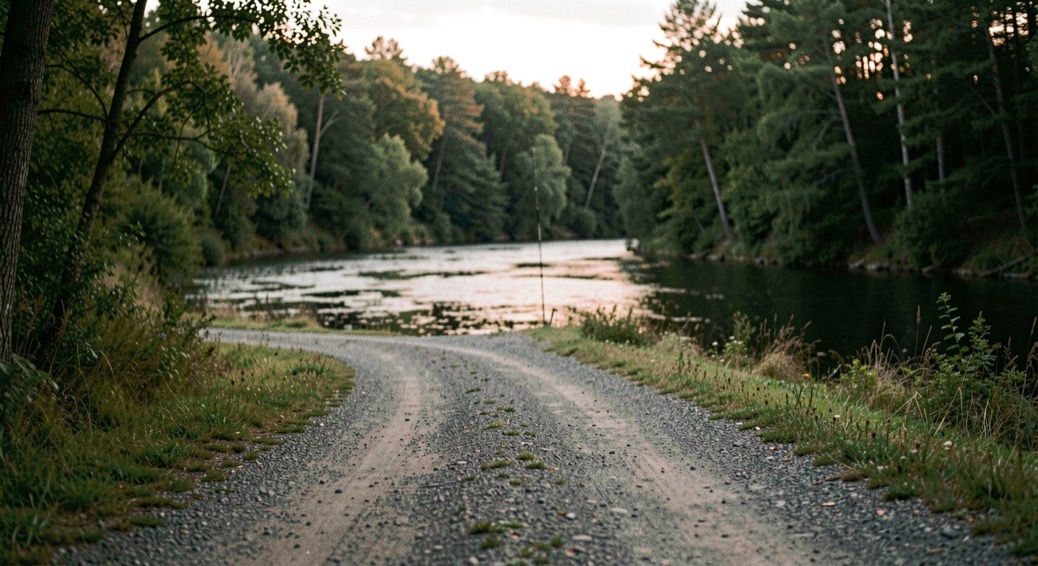
Fly Fishing
Fly fishing is a conversation between current and line. The gear matters, but the first useful skill is noticing what the water is already doing.
Fly fishing notes on river reading, presentations, seasonal water, and the decisions behind a better drift.
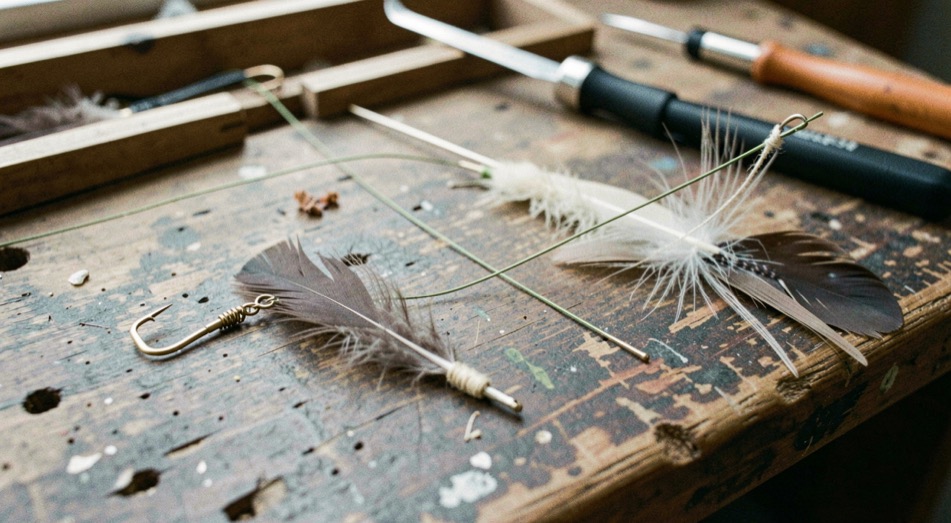
Fly fishing is a conversation between current and line. The gear matters, but the first useful skill is noticing what the water is already doing.
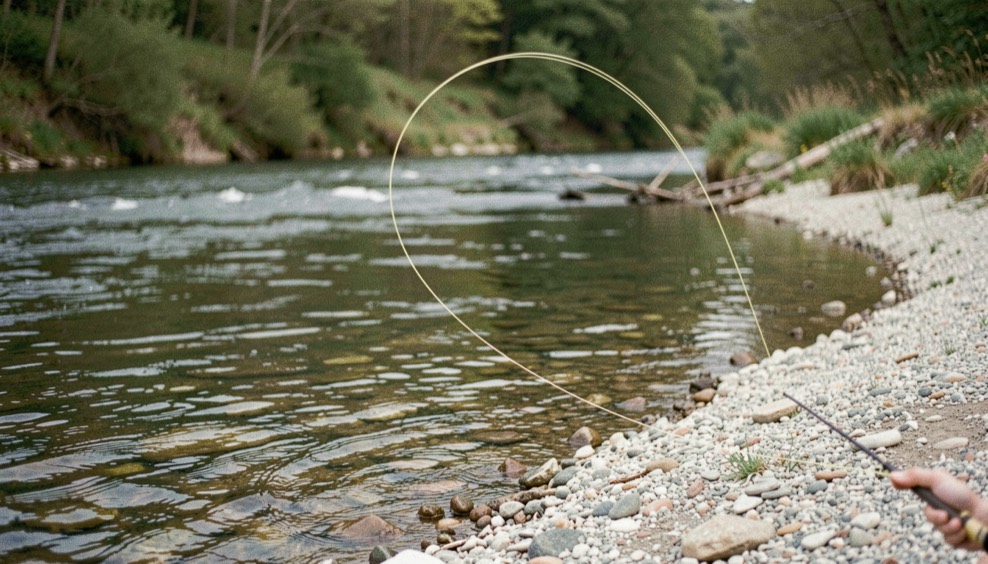
Methods are decisions about depth, speed, line, and distance. The strongest method is the one that explains the water instead of forcing a favorite cast.
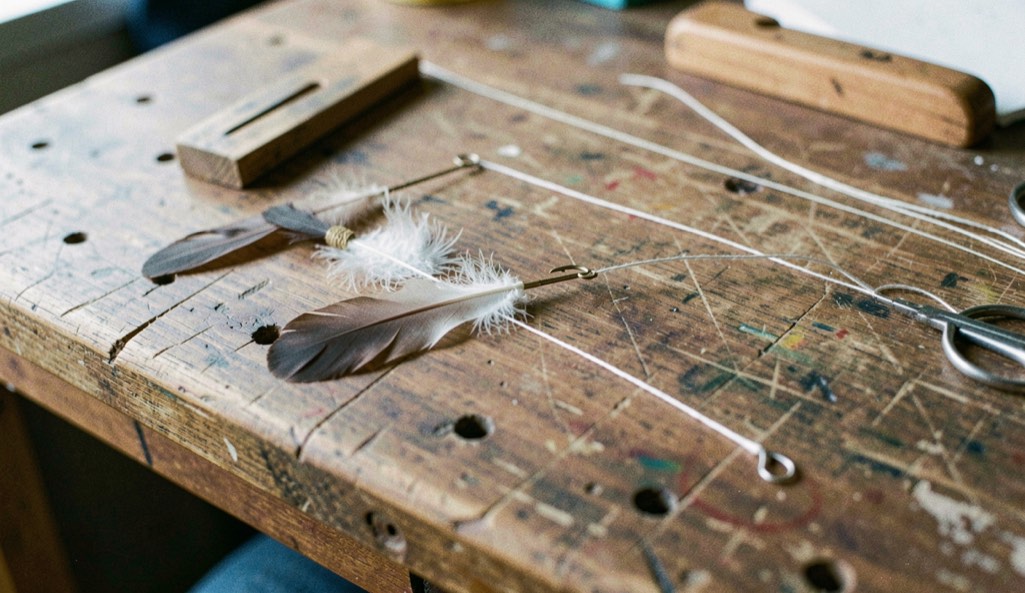
Reading a river means looking for changes: seams, shelves, cushions, depth, cover, and the quiet margins that are easy to walk past.
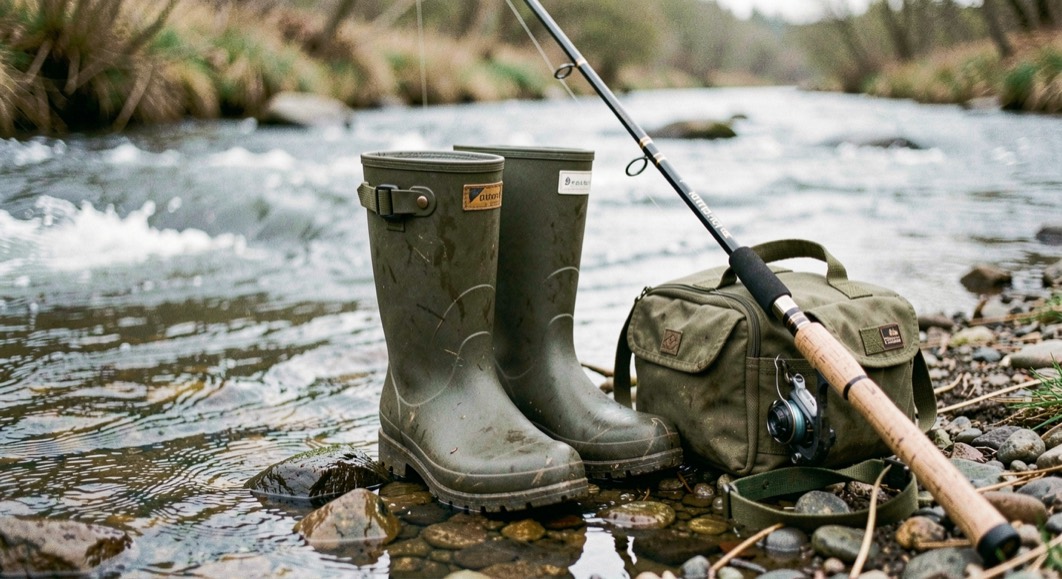
Trout fishing starts before the cast. Light, depth, food, cover, and a careful approach all help decide which water deserves attention.
The next line runs through Fly Fishing, Fly Fishing Methods, How to Read a River and Trout Fishing. Follow the phrase that matches the water, then keep the rest of the journal nearby.
A discipline improves where it is practised often rather than where it is admired: a club de tennis Nimes works on the same principle as a home river, one surface visited enough times to become readable.