Reading a Private Motocross Track Before You Ride
How to read a private motocross track on foot, spot braking marks and ruts, and keep berms, watering and drainage working between rides.
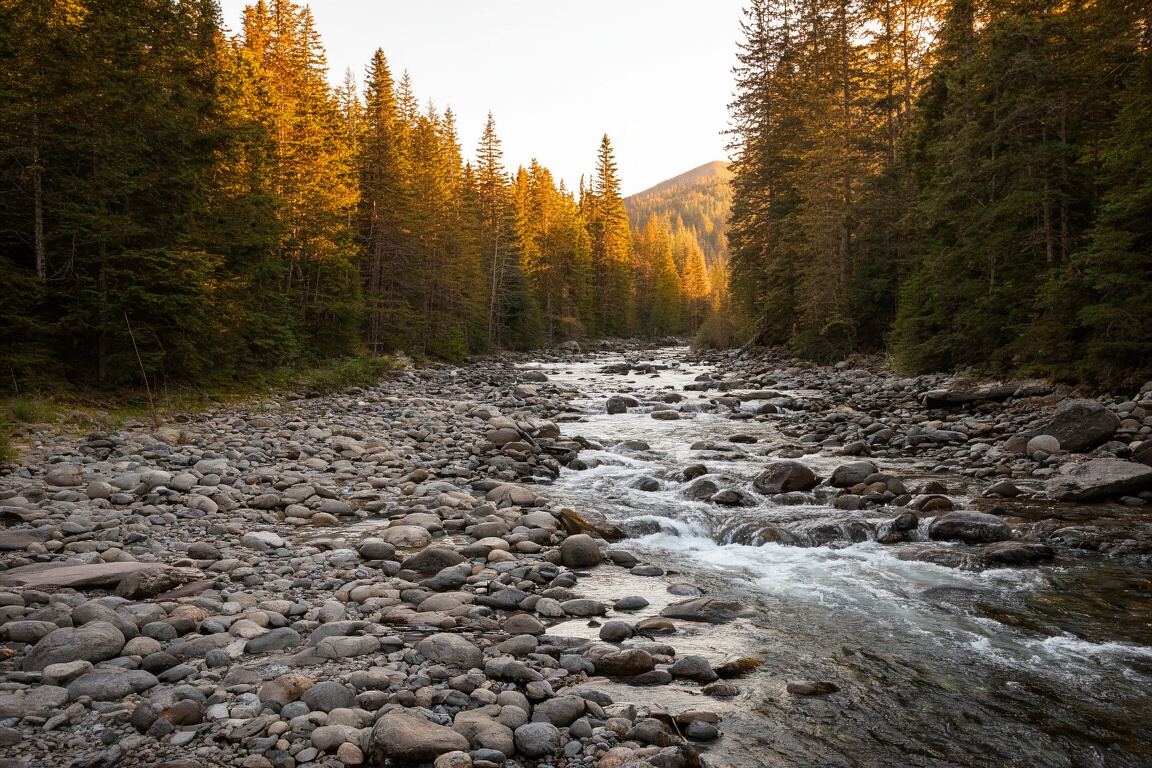
Why walk the track before the first moto?
A private motocross track is read the same way a river is read: on foot, before the engine starts. Walk the full loop once, note where braking marks dig in, where ruts hold water, and where berms have lost their shape. The same lap tells you what maintenance the track needs, because the surface records every rider who has been on it since the last watering or grading pass. A walking lap costs fifteen minutes and replaces the first two sighting laps that most riders waste. On foot, the eye picks up things a helmet and goggles hide: the depth of a rut, the direction a berm is leaning, the soft spot at the base of a jump face, the line a previous rider took into a corner. Standing still at the entry of a turn shows whether the braking bumps start early or late, and whether the exit is packed or loose. The walk also covers the parts of the track that are not ridden. Flagging, stakes, and tape mark the edges of the course and any closed section. A missing stake or a fallen ribbon changes the shape of a corner even if the dirt underneath is unchanged. Walk the outside of the loop first, then cut across the infield to check the landing zones and the faces of the jumps. A written routine helps here. The practical guide at private track maintenance treats the walking lap as the first item on the day's list, ahead of gearing up, and pairs it with a short equipment and rules checklist. That order matters: what you see on foot decides how the first session is run.
What do braking marks and ruts tell you?
Braking marks are the track's own record of speed. Dark, parallel streaks that end well before the apex mean riders are braking early and coasting into the turn. Streaks that run deep into the corner and stop abruptly mean late, hard braking, which usually digs a hole at the entry and pushes loose dirt toward the exit. Ruts form where tires cut the same line repeatedly. A rut that holds its shape through the corner is a support rut: the tire can sit in it and use the sidewall for drive. A rut that collapses at the exit is a drainage problem, not a line problem. Look at the bottom of the rut after rain. If water is still standing there hours later, the base is too fine or too compacted, and the next pass will only make it deeper. Braking bumps and ruts are read together. Bumps at the entry push the front wheel offline, so riders move to the outside, which widens the entry and shortens the exit. That change shows up as a new rut on the outside of the turn. Two or three sessions of that pattern and the original line is abandoned.
How do berms, jumps and whoops change with water?
Water is the main builder and the main destroyer of a motocross track. A berm that is watered and packed holds a bank that a rider can lean on and drive out of. The same berm left dry and loose sheds dirt with every pass until the bank flattens and the exit becomes a straight drag. Jump faces behave the same way. A face that is too dry breaks down at the lip, and the lip is what sets the trajectory. A face that is too wet compresses under the rear wheel and changes the angle of the launch. The shape of the landing is the other half: a landing that is longer than the jump needs is a sign the face has lost height, and a landing that is short means the face has grown. Whoops are a frequency problem. The spacing between the crests sets how the suspension works, and the spacing changes when riders skip every other whoop or when a tractor drags the tops flat. Walk the whoop section and count the crests. If the count has dropped since the last build, the section is being ridden as a set of singles, not as a rhythm.
Reading the surface: soil, moisture and drainage
Soil type decides how a track behaves after rain. Sand drains quickly and stays loose on top, so ruts in sand close up on their own and berms need to be rebuilt rather than repaired. Clay holds water, packs hard when dry, and turns slick when wet. A clay track that is watered at the wrong time of day will crust on the surface and stay soft underneath. Drainage is the part of track work that is invisible until it fails. Water that cannot leave the low side of a corner will sit in the rut and soften the base. The fix is usually a shallow channel along the outside of the turn, cut so that water runs off the track rather than down it. The same channel protects the base of a berm from being undercut. Moisture is read by hand, not by eye. A handful of dirt squeezed and opened shows whether the track is ready: if it crumbles, it is dry; if it holds a ball, it is close; if it smears, it is too wet to water again. This test is faster than waiting for a hose to soak in and it works on any soil.
What does maintenance between motos look like?
Between motos, the work is short and specific. Pick up the loose rocks that have been pulled to the surface, especially at the entry of corners and on jump faces. Drag the tops of the whoops if they have been flattened. Repair the lip of any jump that has lost its edge. Check the flagging and stakes on the sections that were taped off. Watering is scheduled around the surface, not around the clock. A light pass on the berms and jump faces before a session holds the shape longer than a heavy soak after one. On a dry day, a second light pass at midday keeps the top from crusting. On a wet day, no water at all, and the drainage channels get checked instead. Grading and damage work belong to the end of the day, when the track is empty. A tractor pass that cuts the tops of the braking bumps and re-cuts the ruts is the cheapest form of maintenance there is. Berms are rebuilt in layers: pack a base, water it, add a second layer, pack again. A berm built in one pass will slide out at the first hard drive.
Equipment, rules and the day's routine
A private track runs on a short list: a hose or water trailer, a drag or box blade, a shovel, a rake, stakes and tape, a first aid kit, and a way to reach help. The rules are just as short: one direction at a time, no riding alone, a flagger on blind jumps, and a hard stop when the surface changes under the tires. Camping and practice days add their own order. Set the paddock away from the drainage lines, keep fuel and tools out of the riding lanes, and walk the track again after the first session. The surface after twenty minutes of riding is a different track from the one walked at the start of the day, and the maintenance list changes with it. The routine is the point. A track that is read on foot, watered on schedule, and graded at the end of the day stays rideable through a season. A track that is only ridden will tell you what it needs, but by then the ruts are already too deep to fix with a rake. The same habit applies to any course you plan to ride. A private motocross track is read on foot, one lap before the engine starts, noting where braking marks dig in and where ruts hold water. That reading habit scales to longer ground. The Isle of Man TT runs 37.73 miles on public roads, starting on Glencrutchery Road in Douglas, and the the Snaefell Mountain Course rewards the same walk-first approach: know the surface, the sightlines and the shape of each turn before you commit to speed.
For the next step, compare this note with Fly Fishing Notes, Fly Fishing, How to Read a River, River Conservation and Fly Fishing Contact. Each link keeps the same question in view while opening a different part of the river.