Dawn Drive to the River: Deer Strike Checklist
A dawn drive checklist for anglers: what to do after a deer strike, how to document damage for a quote, and how to lower the risk next time.
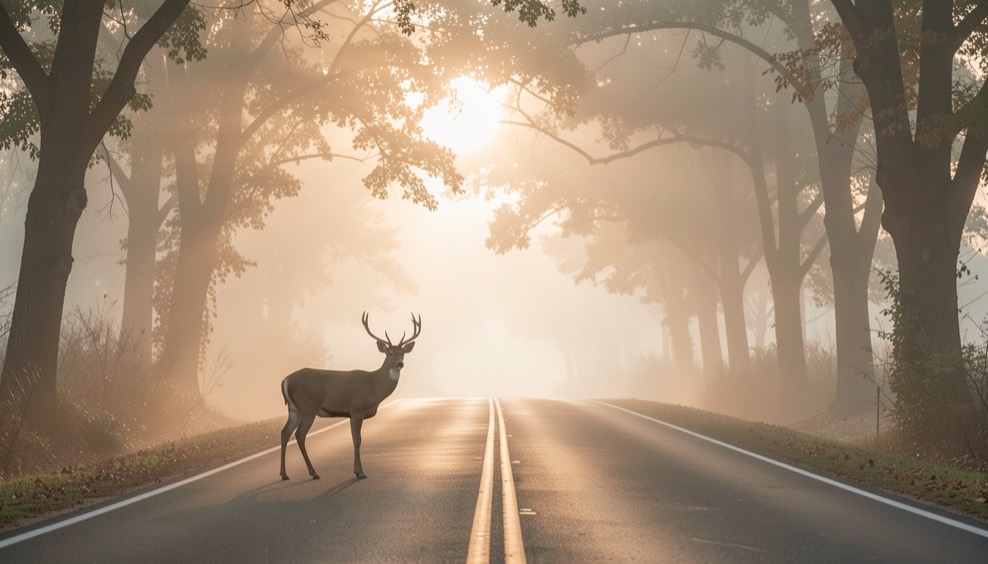
What should you do after a deer strike on the way to the river?
Stop where it is safe, switch on the hazard lights, and check the people in the car before you look at the vehicle. Then stay clear of the animal. A deer that is injured can kick hard and unpredictably, and an approach helps nobody. Move the car off the road if it still drives and the shoulder is wide enough, and report the collision to the authorities or the wildlife service if the rules where you are require it. Photograph the car, the scene, and the road before anything moves, then look at the damage in daylight. This note is a practical checklist for people who drive before sunrise to reach water, not legal or insurance advice, and local rules vary. The reason it belongs on a fishing site is simple: dawn is when deer are on the move and anglers are on the road, and a few minutes of preparation changes how the next ten minutes go.
How do you document the damage for a repair quote?
Pictures first, in daylight if possible. Take one of the whole car, several of each damaged area from different angles, and one of the scene, including the road and any signs. Add a note with the date, the time, and the place. Then collect a few facts: the make, the model, the year, and whether the car still drives normally. In France, a body shop such as Carrosserie Haute-Huveaune, in Roquevaire in the Huveaune valley, asks for a few photographs, with one taken from a distance and one close up, and then calls back with a free written quote. It also suggests reading that quote against your policy deductible before deciding, a reminder worth keeping in mind wherever you are. The same sequence works at home: pictures, a quote, then a decision with the deductible in view.
What should you check on the car before you drive on?
Walk around the vehicle with a torch if it is still dark. Look at the bumper, the grille, the headlights, the hood, and the fenders. Look under the car for dripping fluid, and listen for hissing or any new noise from the engine bay. Check that the hood latches properly, that the lights work, and that nothing hangs low or scrapes the tires. A cracked plastic bumper cover may still be safe to drive on for a short distance, but a radiator leak, a bent wheel, or a loose part is a reason to stop and call for help. If a warning light has come on, do not ignore it. Fishing is the least urgent thing on the schedule now. The sensible plan is the one that gets everyone home safely and keeps a small problem from growing during a long drive back on a gravel road.
What if the deer is still on or near the road?
Keep your distance, keep the hazard lights on, and let the animal move off by itself. Do not approach it, touch it, or try to move it, because a frightened deer can injure a person badly. If it blocks the road or appears injured, call the local emergency number or the wildlife authority and describe the exact location. Warn other drivers with your lights, and stand well away from the lane, ideally behind a barrier. If the animal has left, do not assume the danger has passed: others may be nearby, and the next car may not see them. Write down the place so that you can report it, and take a moment to settle before you drive on. A steady, unhurried response protects everyone, including the animal, and leaves you in a better state to decide what to do about the rest of the day.
Why are dawn drives to the river risky for deer collisions?
Deer are most active around dawn and dusk, and in autumn the movement increases during the mating season, which is also when many of us plan river days in cooler air. The roads that lead to water are often narrow, bordered by woods or meadows, and lit only by your headlights. A deer on the shoulder is hard to see until it moves, and one animal often has others nearby. Speed matters more than any other factor you control. Slowing down on winding, wooded stretches, keeping high beams on when nobody is ahead, and scanning the edges instead of only the road all help. A summary of deer vehicle collision statistics from an insurance information body collects insurance claim figures on how common animal collisions are, state by state. Treat those numbers as a reason to be attentive rather than a reason to stay home.
What can you do to reduce the risk next time?
Plan the drive the way you plan the water. Leave a little earlier so you do not feel pressed to drive fast in the dark. Choose roads you know, and note stretches where wildlife crosses. Keep the windshield and headlights clean, since dirt scatters light and shortens how far you can see. Scan the verges for the glint of eyes, and when you see one deer, expect another. Slow down at once rather than swerving, because a sudden turn can lead to a worse collision than the one you are trying to avoid. If you travel with others, share the watching: one person checks the left edge, another the right. These habits cost almost nothing, and they sit well beside the care you already take at the river. They also make a long day end the way you want, with the car in one piece.
What belongs in the car for a dawn trip?
A small kit goes a long way. A torch with fresh batteries, a reflective triangle or similar warning device where one is required, gloves, a basic first-aid kit, a phone charger, and a printed copy of your emergency contacts are enough for most situations. Add a blanket, water, and a printed map for stretches where there is no signal. Keep your insurance and rental documents together so you can find them without searching in the dark. Agree with your companions on a plan before you leave, including who will make calls and where you will wait if the car cannot move. None of this needs to be elaborate. Like a spare leader or a dry layer in the pack, the kit earns its place only on the day you need it, and until then it takes very little room. See also the notes on reading a river for the part of the day that begins once you arrive.
For the next step, compare this note with Fly Fishing Notes, Fly Fishing, How to Read a River, River Conservation and Fly Fishing Contact. Each link keeps the same question in view while opening a different part of the river.