Forest Road Scrape: Claim or Pay Yourself
A field note on scrapes from forest roads: how to check the damage, why the deductible matters, and how to get a repair quote when you are far from home.
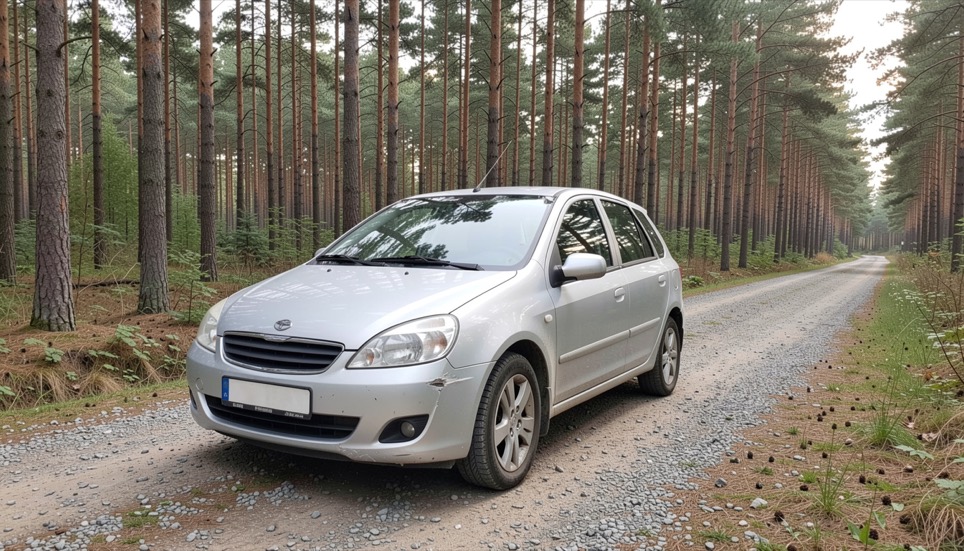
Do you file a claim or pay yourself after a minor scrape?
Often the answer is to compare two numbers before you decide anything: the written estimate for the repair and the deductible in your policy. When a scrape on a gravel road leaves a scuffed bumper or a line of paint along a fender, the repair can cost less than the deductible, and filing a claim for it would buy you a record on your file rather than money. When the damage is larger, or when another driver is involved, the arithmetic changes and the insurer becomes part of the conversation. This note does not replace your contract or professional advice, because policies differ widely by country and by company. It lays out a way of thinking that works on a quiet forest road, where a branch, a rock, or a tight bend has just left a mark on the car and you would rather decide calmly than in a hurry.
How do you get a quote when you are far from home?
Many body shops now begin with photographs rather than a visit. In France, for example, Carrosserie Est Marseille, a body shop serving the east of the city, asks drivers to send a few pictures from home and then calls back with a free quote. Its own pages also state that the choice of repairer belongs to the car owner, and that it can prepare a written estimate for an insurer. That is the kind of process worth looking for on any trip: pictures first, a conversation, a written figure, and no pressure to leave the car. Before sending anything, take the three pictures described below (the whole car, the damaged area, and an angle that shows any dent), and keep your policy number out of public messages. If you are driving a rental, tell the rental company early, because their rules usually override your own preferences.
What happens to a car on a forest road?
A road that leads to a river is rarely kind to a car. Washboard gravel throws stones against the lower panels and the bumper. Overhanging rhododendron and young pines drag across the paint at the narrowest bends. Ruts push the underside of the front bumper into banks, and a soft shoulder invites a slow, scraping slide against a ditch edge. Most of the resulting marks are light: a scuff of bark transfer that wipes away, a surface scratch that stays in the clear coat, a dull patch where a branch rubbed. Some are deeper, with paint missing or a crack in a plastic bumper cover. Telling the two apart is the first job, and it is easier when you have not driven another ten miles with the damage hidden in the dust. A wet cloth and a good look in daylight will tell you whether the mark is on the surface or in the paint.
How do you check the damage before you decide?
Wipe the area with a damp cloth and look from several angles. Run a fingernail lightly across the scratch: if it catches, the mark is probably deeper than the clear coat. Look for cracks around bumper mounting points, for panels that no longer sit evenly, and for any part that now hangs lower than before. Check the lights, the sensors, and the tires near the damage. Then take clear pictures in even light: one of the whole car, one of the damaged area, and one at an angle that shows any dent or ripple. Add the date and the place in a note on your phone. If the car drives normally, there is no urgency, and you can collect the information at a calm pace. If a wheel rubs, a light is broken, or a fluid is dripping, the plan changes, and the car should be examined before it goes much farther.
Why does the deductible matter so much?
The deductible is the share of a covered loss that you pay yourself before the insurer pays anything; the idea is explained in general terms in this short entry on deductibles. If the repair costs less than that amount, a claim brings no payment, and it still has to be reported and recorded. If the repair costs more, the claim may make sense, although you should consider how your insurer treats claims over time. Rules and practices differ, so the sensible step is to read your own contract and, if needed, ask the company a plain question before you file anything. Photographs and a written estimate give you something concrete to compare. The cost of getting an estimate is usually small, and the information is worth having whichever way you go, because it turns a vague worry into a figure you can set against the deductible.
What if the damage is more than a scuff?
Then slow down and widen the circle. A bumper cover that is cracked or loose, a panel that has moved, or a light that no longer works are signs that the repair is larger than a polish. If another vehicle or a person was involved, record names, contact details, and the scene, and contact the authorities or insurer as the rules where you are require. Do not sign an agreement or accept a quick cash settlement before you understand what the repair will cost. Whatever the size of the damage, keep your pictures and your estimate together in one folder on the phone, in case you need them later. A scrape on a forest road is an ordinary event for anyone who drives to remote water, and a calm, documented response keeps it ordinary. The better part of the day still belongs to the river, and the plan for the Georgia fly fishing trip does not need to change.
What should you keep after the trip?
Keep a folder, on paper or on the phone, with the pictures, the date, the place, the estimate, and any messages with a shop or an insurer. Add a short line on what happened in your own words while it is fresh, because details fade within a week. If you decide to live with a scuff, the folder still has value: it shows the condition of the car on a given day, which helps if the mark is questioned at a sale or a rental return. If you decide to repair it, the same folder lets you compare quotes on equal terms. Throw away nothing until the matter is settled. This is the same habit as a field notebook beside the river, where a short, dated record is worth more than a memory of what the water did last autumn. Good records make a minor scrape a small, closed item.
For the next step, compare this note with Fly Fishing Notes, Fly Fishing, How to Read a River, River Conservation and Fly Fishing Contact. Each link keeps the same question in view while opening a different part of the river.