Fly Fishing Methods
Methods are decisions about depth, speed, line, and distance. The strongest method is the one that explains the water instead of forcing a favorite cast.
A method is a water decision
Fly fishing methods are often taught as named categories, but the useful part is the decision underneath the name. A method changes depth, speed, angle, line position, or the way a fly moves. Start by asking what the water permits. Is there a safe place to stand? Is the current divided into useful speeds? Does the fly need to remain near the surface, travel below it, or swing across a seam? Once those questions are visible, a method becomes a tool rather than a favorite technique applied by reflex.
Begin with a dry plan
A surface presentation is a clear way to learn about current. It shows drag, reveals seams, and can be watched without guessing where the fly is. The method is not limited to a hatch or a confident rise. It can also teach the angler how the water moves around a rock, shelf, or bank. Use the shortest cast that reaches the target and lift the line before it crosses a conflicting speed. When the drift fails, diagnose the movement first. Changing flies cannot correct a line that is pulling the pattern away.
Use subsurface methods deliberately
Nymphing and other subsurface approaches ask for better depth control. Leader length, weight, angle, and drift speed all interact. Add only enough weight to reach the lane without making the fly impossible to cast or the bottom impossible to read. If the fly is dragging, change the angle or line position before adding more material. Keep the connection understandable. An arrangement that touches bottom but cannot reveal a pause, tick, or lift may be technically deep and practically blind.
Let a streamer have room
Streamer fishing depends on movement, but movement needs a lane. Cast across or toward the edge where cover and current provide a reason for a fish to follow. Vary the retrieve in small steps and watch how the fly responds. A heavy streamer on a light setup can remove the control that makes the method useful. If the bank or other anglers leave little room, shorten the cast and use a safer angle. The method succeeds when the fly can move intentionally, not when it simply travels as far as possible.
Roll casts solve a real problem
A roll cast is more than a beginner exercise. It can place line when the back cast is blocked, lift a sunk leader, or reset a close presentation without disturbing the whole run. The anchor should be controlled and the forward stroke should have a clear stop. If the line sticks too heavily, reduce the amount on the water or change the angle. If the cast collapses, slow down and give the loop a path. The method is a response to space, not a test of arm strength.
Change the angle before the pattern
A new angle can change the depth and drift without requiring a new fly. Move upstream, downstream, across the seam, or slightly toward the bank when the footing permits. The same fly may behave differently when the line lands in one speed instead of three. Change one variable and observe the result. This is especially useful when the water is clear or pressured, because a quieter adjustment can teach more than repeated changes that announce the angler's presence.
Build a small decision tree
A practical method sequence can be simple. Read the current, choose a safe position, try the shortest useful cast, watch the drift, and change either angle, depth, or speed. Only after that should you change the pattern family. If the water cannot be reached safely, change the location. If another river user needs the channel, yield and start again elsewhere. A decision tree keeps the day from becoming a random rotation through flies and casts.
Record what the method explained
The best note is not just the method name. Record what it clarified: the near seam was slower, the roll cast kept the fly under branches, the streamer needed a shorter retrieve, or the dry showed drag at the seam. Those observations travel to the next river. Compare this guide with how to read a river, fly fishing casting, and fly fishing gear. The goal is a method that explains the water and leaves room for the next decision.
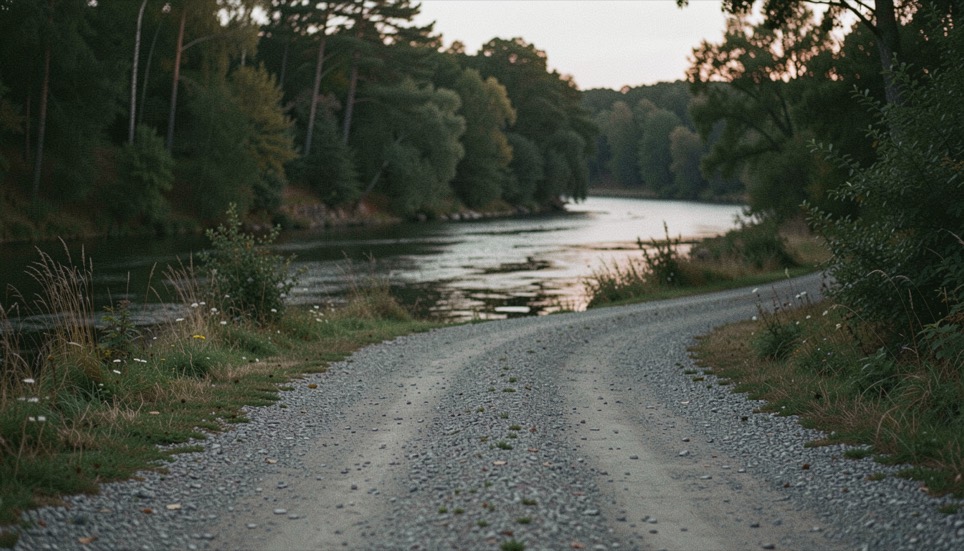
The same question applies away from the water. A method is only a name until you decide what the ground or the current will allow, and that decision starts with a slow pass on foot. Walk the line before you commit to it, note where the surface changes, where water or ruts collect, and where the angle turns against you. Reading a river and reading a track share that habit of looking first. the walking lap is where the useful information sits, before speed hides it.
For the next step, compare this note with Fly Fishing Notes, Fly Fishing, How to Read a River, River Conservation and Fly Fishing Contact. Each link keeps the same question in view while opening a different part of the river.