
Shad Fly Pattern
A shad pattern works as a study in shape and movement. The tying bench is where excess becomes visible, and restraint makes the final profile easier to fish.
Fly tying notes on proportion, materials, useful patterns, and the small choices that make a fly fishable.
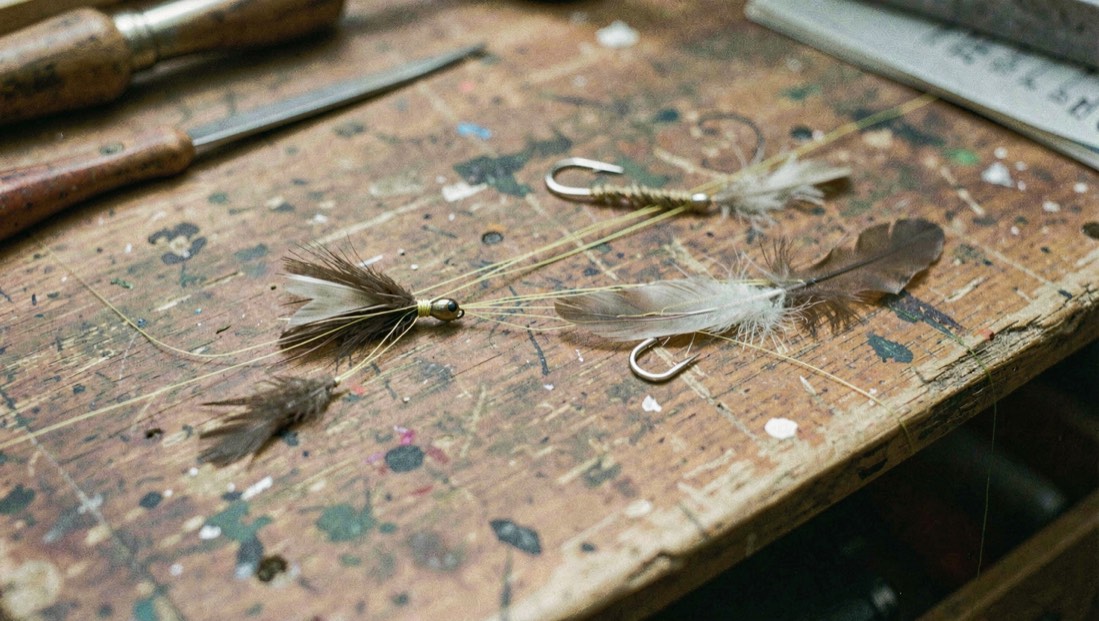
A shad pattern works as a study in shape and movement. The tying bench is where excess becomes visible, and restraint makes the final profile easier to fish.
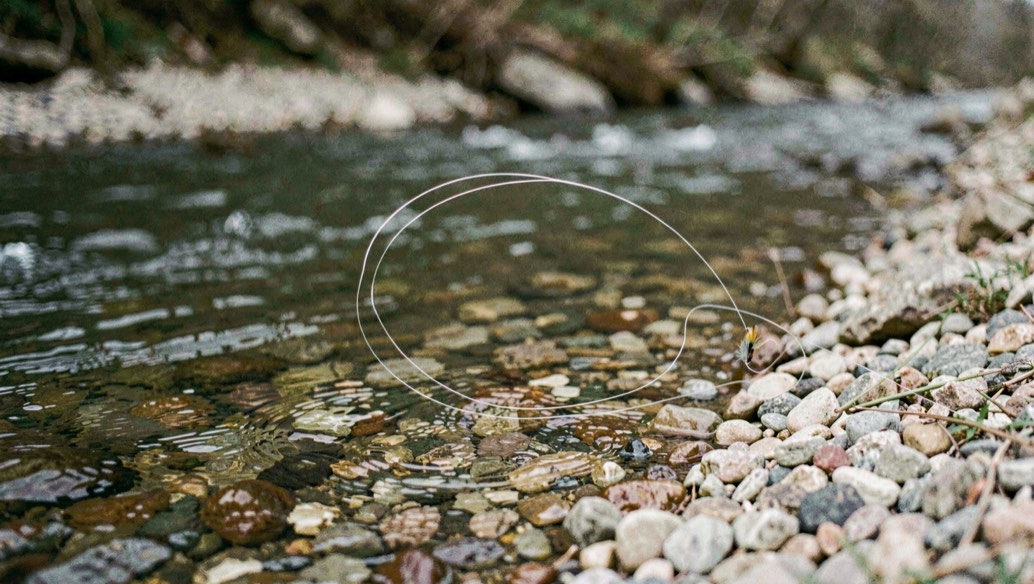
Fly tying begins with proportions that make sense in the hand. Materials should serve shape, durability, and movement rather than simply fill a recipe.
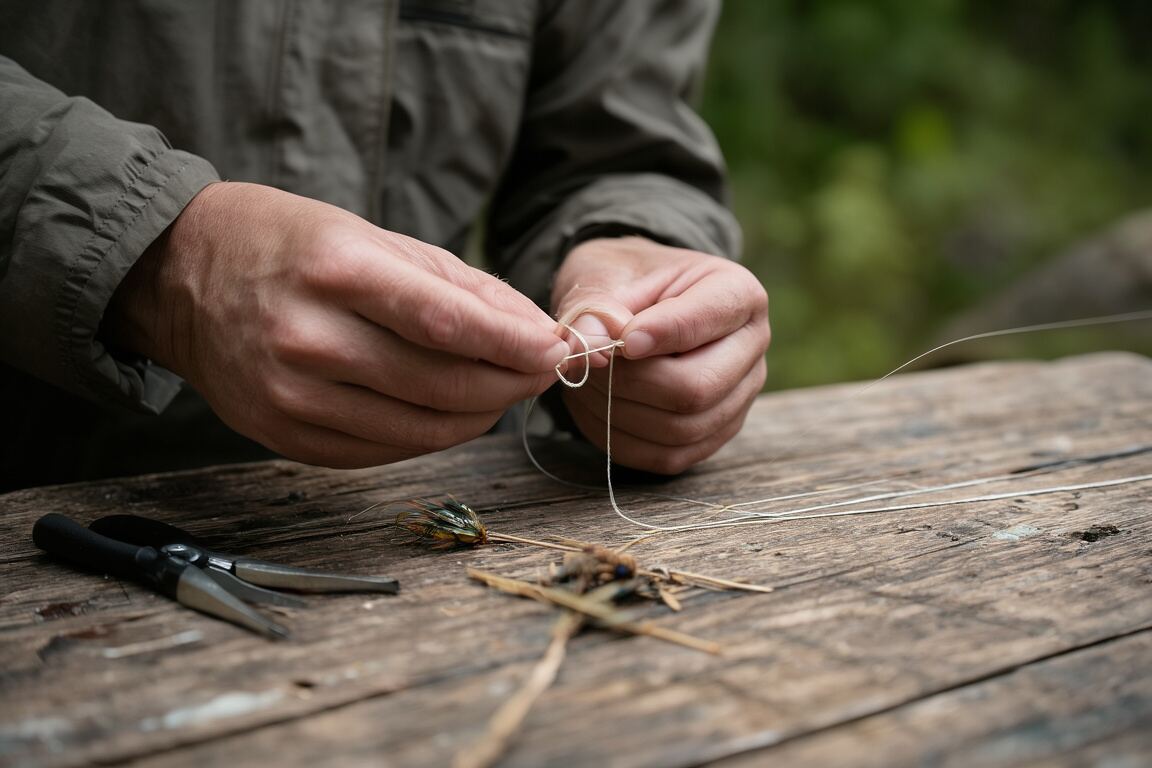
A knot is a small piece of confidence. Tie it with enough room to inspect, seat it carefully, and test every connection before the water asks for it.
The next line runs through Shad Fly Pattern, Fly Tying and Fly Fishing Knots. Follow the phrase that matches the water, then keep the rest of the journal nearby.